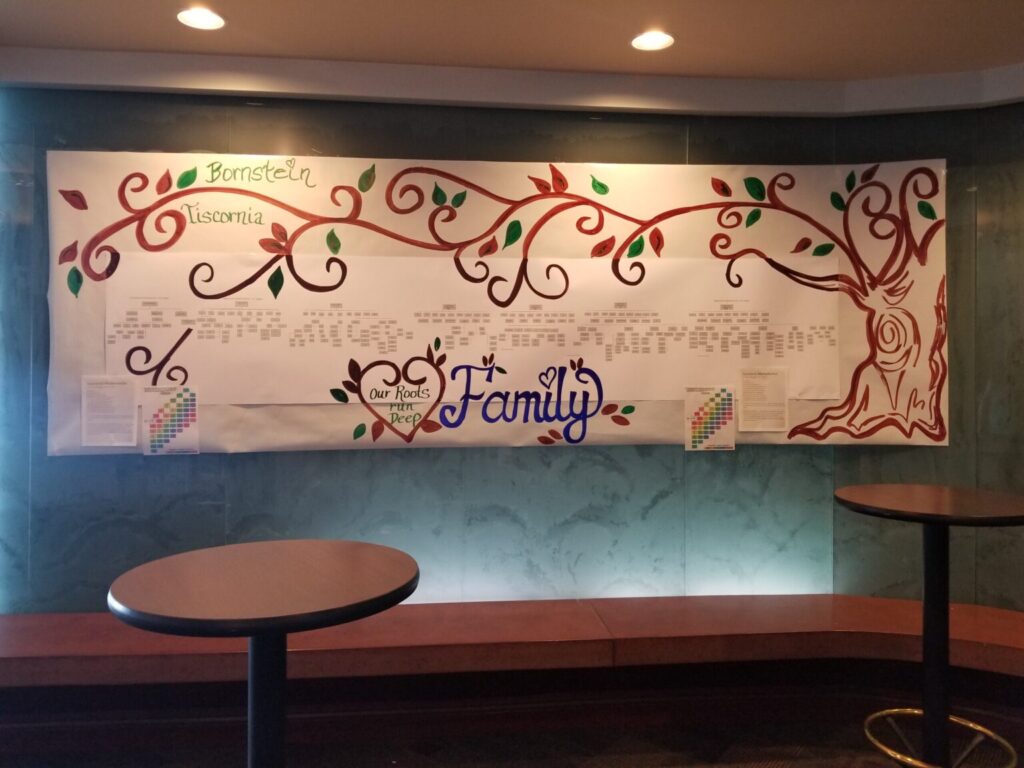
Several branches of the Bornstein-Tiscornia family immigrated to the United States during the 1860s. This website centers on the marriage of Myer Bornstein and Teresa Tiscornia, the family they created, and the generations that followed, while also honoring the ancestors whose lives shaped our story.
Our family tree traces the Bornstein maternal line to the 1700s, although little is currently known about those early generations beyond their existence. Our documented family history begins in the 1800s with Mogens Swensen and Ane (Anna) Nielsen, whose daughter would later become the mother of Myer Bornstein.
The family’s earliest known roots are in Sweden and Denmark. Mogens Swensen was born in Sweden in 1828, and Ane (Anna) Nielsen was born in Denmark in 1824. Although the details of how they met have been lost to time, they married in Denmark in 1857, beginning the branch of the family that would eventually lead to the Bornstein-Tiscornia story.
The timeline and legend that follow are designed to highlight the births and deaths of family members, marriages, immigration and other moves, and significant life milestones across generations. They also place our family’s journey within the context of local, national, and world events, illustrating how history shaped the lives, decisions, and experiences of our ancestors.
Meyer later marries Dinah Mode Baer.
They had two sons, Issac L and Julius Bornstein.
Dinah marries Meyer Bornstein and together they raise two sons: Issac L and Julius Bornstein.
Issac will marry and have a son named David J.
Julius will marry and have eight children.
Issac is one of the two sins of Meyer and Dinah Bornstein. Issac marries (her name is currently unknown) and hey have a son David J Bornstein.
Julius is the brother to Issac and 2nd son to Meyer & Dinah Bornstein.
Julius marries Fannie Haussmann and they have eight children; Matilda, Pauline, Charles Julius, Rose, Bertha, Selina, Maurice, and Augusta Ester. Rose dies at 3 days old.
Based on everything available today, our working reconstruction is:
Julius grew up in a Jewish merchant family in Poland. He learned the clothing and cap trade from relatives.
He and Fannie probably knew one another through interconnected Jewish communities before emigrating, though whether they married before leaving Europe remains unproven.
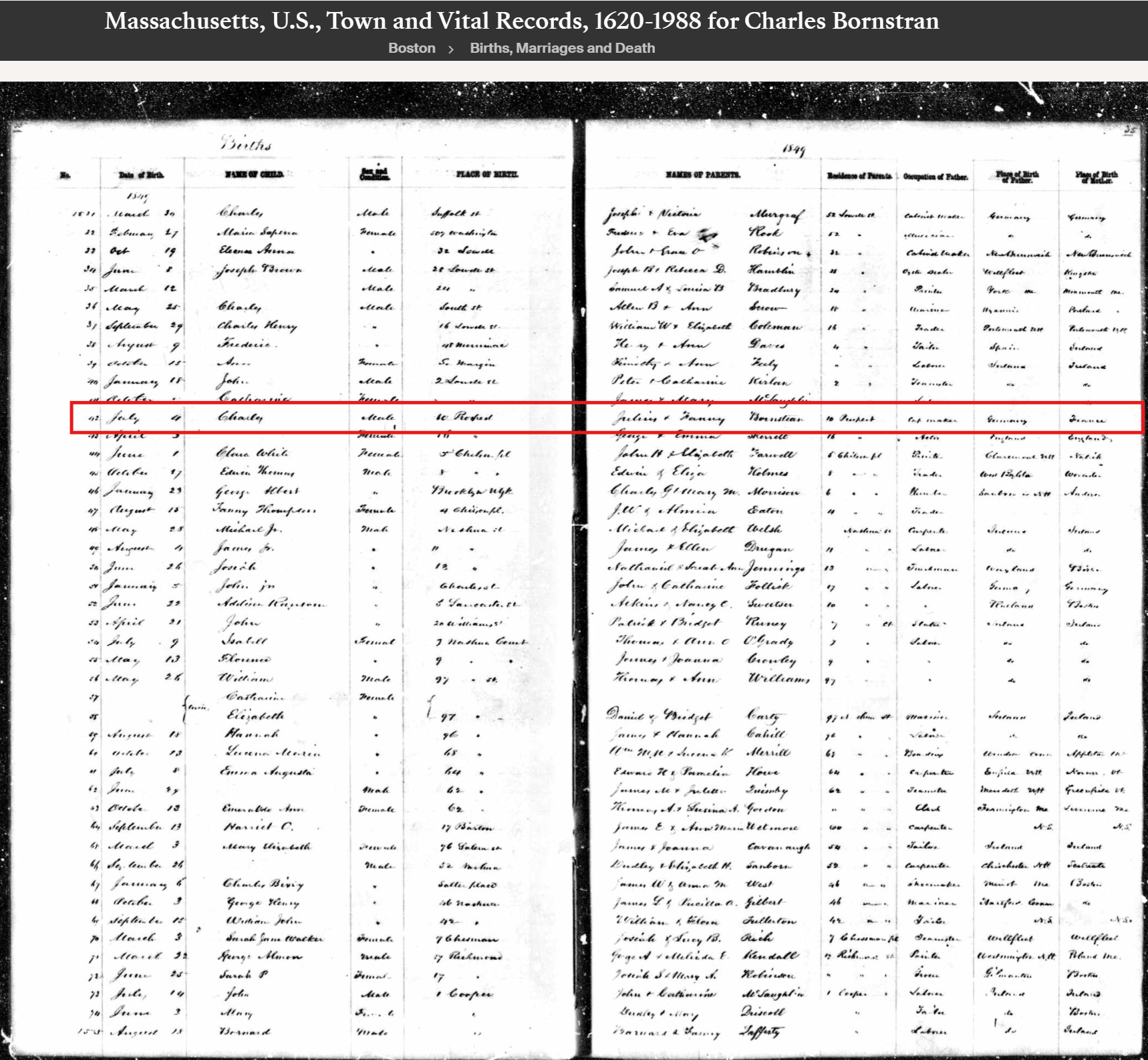
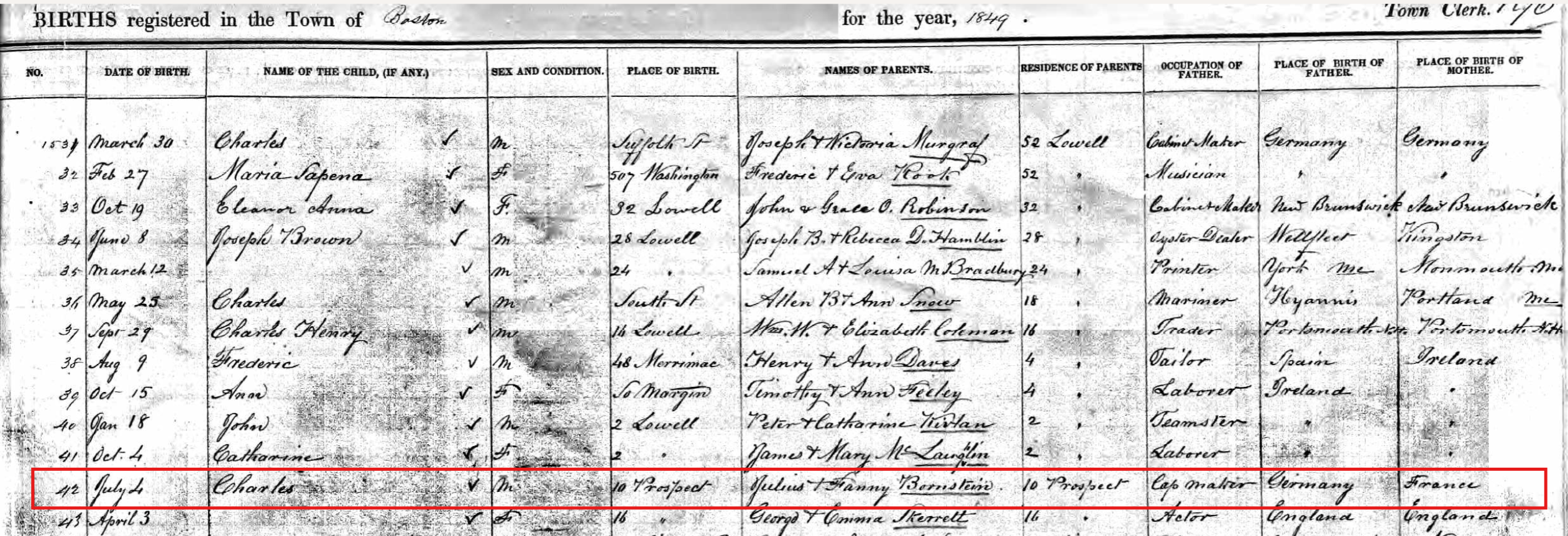
They settled first in Boston, where Julius worked alongside other Bornsteins in the clothing business. A census has him working as a Cap maker in Boston.
Seeking greater opportunity, Julius & Frannie joined the westward migration and ultimately became pioneering Jewish merchants in Utah.
There are several questions that still require further research:
What town in Poland (or Prussia) was Julius actually born in?
Who were Fannie Haussmann’s parents?
Which ship brought them to America?
Where and when did they marry?
Frannie marries Julius Bornstein and becomes the mother of 8 children. They started their family while living on the East Coast. Then move West and settle in San Francisco, CA. Both are buried in the Bornstein Family plot in the San Francisco Jewish cemetary located in Colma, CA.
She will marry Mogen Svenson and together with their 4+ daughters (pregnancy) they are the branch that migrates to America. Ane will have 5 daughters in America. It is not an easy journey for her as a woman, wife, mother, and immigrant.
Mogen moves to Denmark. Meets his wife and marries Ane (Anna) Laursen Nielsen. They have 5 daughters.
Matilda is the 1st born of 8 children and the oldest daughter to Frannie & Julius Bornstein. Matilda dies in 1924.
Pauline is the 2nd of 8 children born to Frannie & Julius Bornstein. She passes in 1886 at 38 years of age.


At some point in the family story, the Bornsteins that settled on the East Coast – move West – who moved & when is still being researched.
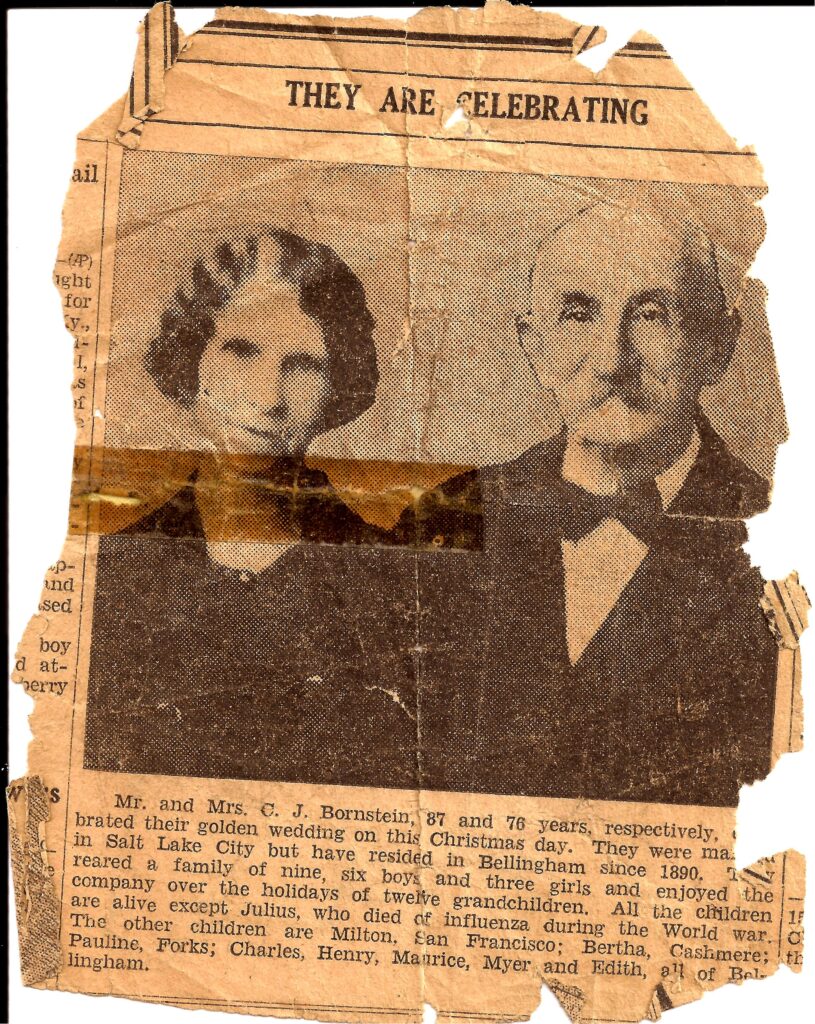
Charles arrives in Utah (for reasons not yet known). Meets his wife and they still continue west eventually settling in Washington. Where they will raise 9 children. The youngest being Myer Bornstein (who marries Teresa Tiscornia, creating our family tree). Charles is the oldest son to Frannie & Julius, but the 3rd born child of 8 total. Charles passes in 1937 while living in Bellingham WA.
Bertha is one of 8 children born to Frannie & Julius Bornstein. She passes in 1920.
Selina is one of 8 children born to Frannie & Julius Bornstein. She passes in 1944.

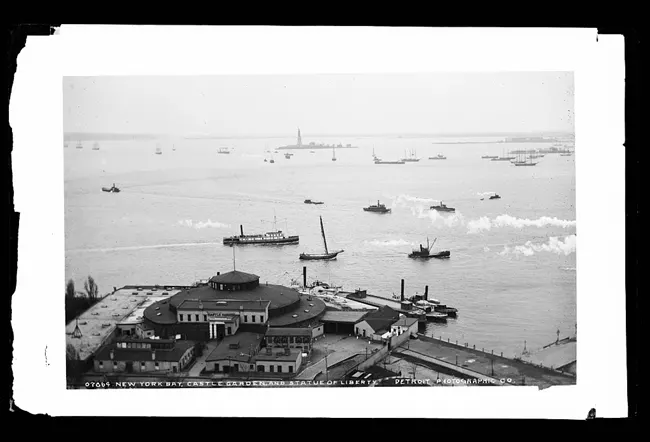
Castle Garden predates Ellis Island. In the early 1800’s immigrants to the United States came across the Atlantic ocean in sailing ships that brought them primarily to New York City. When the ships arrived they landed along three to four miles of docks along the coast of New York City. The immigrants walked down the gangplank and were on their own. Nefarious businessmen and swindlers took advantage of them in many ways.
Two things happened in 1855 that improved conditions for emigrants coming to America.
The Carriage of Passengers Act of 1855 improved the conditions for emigrants on board ships. The law also required ships, once they had landed, to show a manifest, or list, of its passengers to the local customs officials. (This is the origin of the ships passenger lists that we use in genealogy research today.)
Needing a centralized spot to handle and process people coming in from other countries, the New York Emigration Commissioners signed a 50-year lease for Castle Garden to be used as the single receiving station for the increasing number of immigrants landing on their shore.
Ten years after opening, in May of 1866 our own relatives get processed through Castle Garden immigration after having spent 52 days crossing the N Atlantic Ocean chasing a better lifestyle in the USA.
Mogens and Ane (Anna) get married in Denmark in 1857 during a period of expanding Mormon missionary activity in Scandinavia. While the details of their meeting are unknown, they likely met through family, village life, or the growing Latter Day Saints community of early Danish converts.
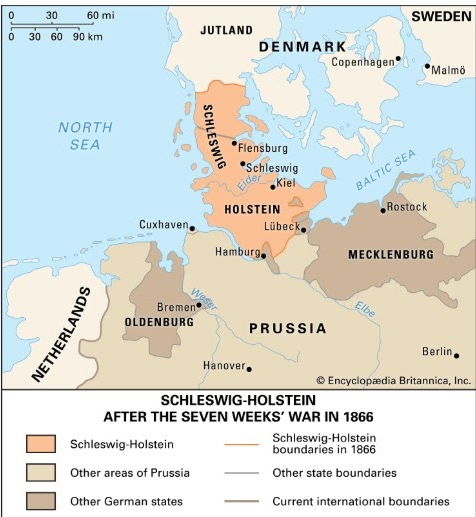
Nine years later, in 1866, Mogens and Ane (Anna) had 4+ daughters and they joined thousands of Scandinavian Saints emigrating to Utah in search of religious freedom, opportunity and a better future.
At the time, life could be difficult for Mormon converts in Sweden and Denmark. The Lutheran state church held tremendous influence, and those who joined new religious movements often faced fines, public criticism, and social isolation. Utah offered the promise of a fresh start — a place where families could openly practice their faith, own land, and build new communities together.
Laura is the oldest of five daughters born to Morgan & Ane (Anna) Svenson. Laura will later be known as a Pioneer woman who helped settle the Utah Territory
The Bornstein Family had apparently moved relocated West from Boston, MA …
Maurice and his younger sister were both born in San Francsico, CA. Maurice is the youngest boy and 7th of 8 children. Maurice passes at the young age of 11 on Dec 15 1869. He is buried in a Bornstein family plot in Colma, CA which is the official San Francisco cementaries area for the time. The City relocated all cemetaries to right outside of the 7×7 footprint of the city. This was to maximize the land availability to house the living.
Agusta is one of 5 daughters born to Mogen and Ane (Anna) Svenson. She will later be known as a Pioneer woman who helped settle the Utah Territory.

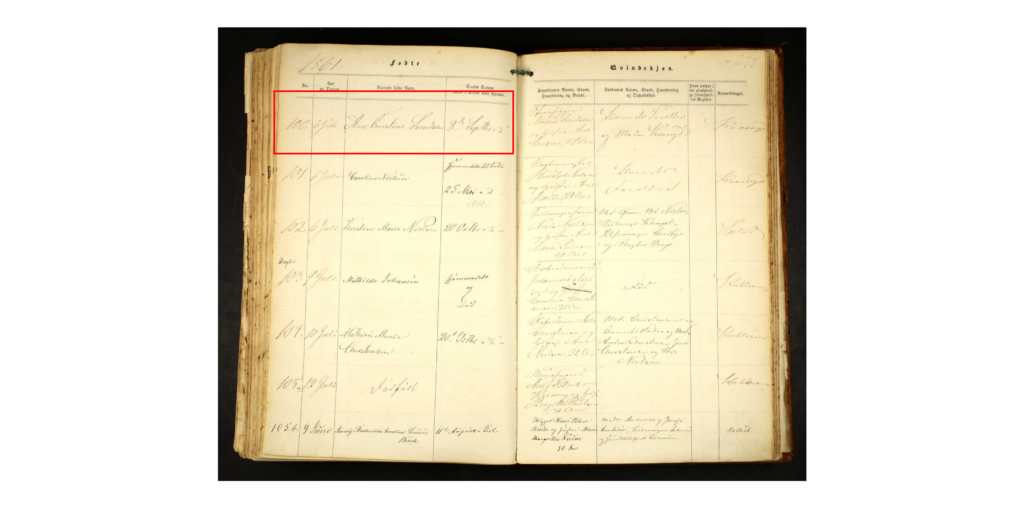
Above is a picture of her birth record.
She is one of five daughters born to Mogen and Ane (Anna) Svenson. Anna will later marry Charles Julius Bornstein and have 9 children of her own. Her youngest is Myer Bornstein who marries Teresa Tiscornia.
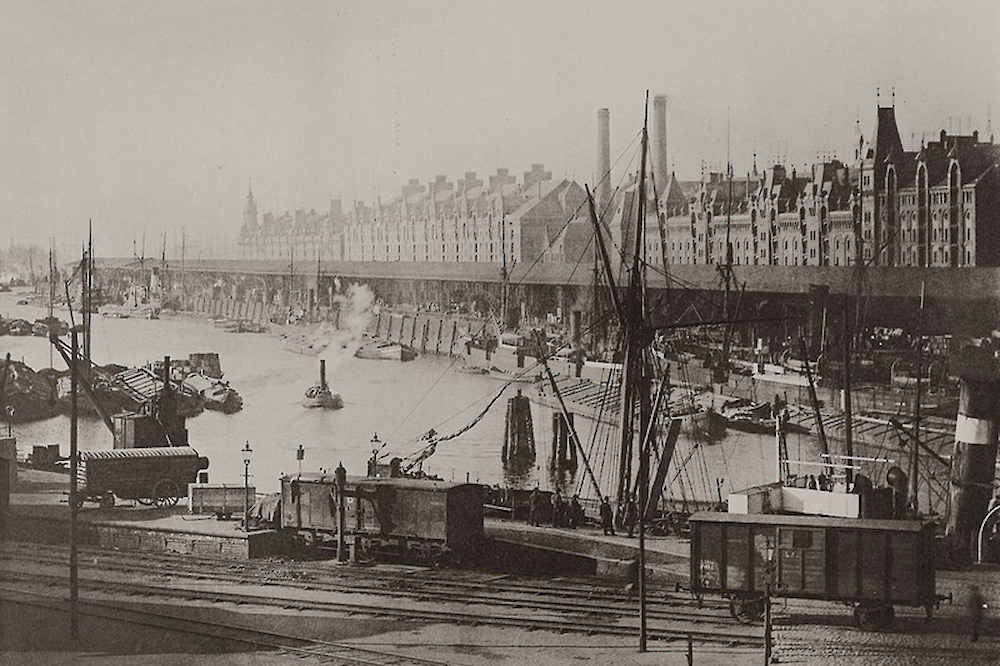
In 1862 it was decided to make the Port of Hamburg (Germany) an open tidal port rather than a dock port of the kind very common at the time. Johannes Dalmann as Director of Hydraulic Engineering then made a start on extensive planning for restructuring the port area. In 1866 he constructed quays and sheds along both banks of the River Elbe. The first ship-to-rail transfer then took place at the siding on Kaiserkai in 1872. This laid the foundation for Hamburg?s emergence as the largest rail port in Europe.
Source: https://www.hafen-hamburg.de/en/experience/geschichte/
Augusta was the youngest of 8 children to Frannie & Julius Bornstein. She passes in 1937 while living in San Francisco, CA.
Oline passes April 4, 1954 in Salt Lake City, Utah.
1862, one of Ane’s (Anna’s) Nielsen Svenden’s two brothers had already arrived in the USA with his young family. His family joins them in 1866.
One of Ane’s daughter grows up, gets married and gives birth to Myer Bornstein as her 9th child. Myer will marry Teresa Tiscornia .. which creates the Tiscornia-Bornstein branch in our family tree!
As a young couple with a small family, they learned about the Church of Jesus Christ of Latter-day saints. After much study and prayer, the family joined the church.

Our story on the paternal side starts with four families traveling from Dronninglund, Hjorring, Denmark (presumably by land) to Copenhagen, Denmark – leaving their homelands in seach of a better life in America.
From Denmark, they left by Steamer, “Aurora”, on May 17th 1866 to Kiel Germany.
Our four related families officially board a sailing vessel called The Kenilworth bound for America.
There is a six-day delay between boarding the Kenilworth on May 19 and its actual departure on May 25, 1866. This was caused by the combined logistics of passenger registration, medical examinations, customs clearance, and securing a river towboat.
The 684 Scandinavian emigrants spent their first 24 to 48 hours getting transferred by small river boats onto the Kenilworth, which was anchored out in the River Elbe. Families had to find their assigned wooden bunks, secure their personal luggage, and organize themselves into shipboard wards or “districts.”

The Kenilworth lifted anchor and officially cleared port from Hamburg Germany on 25 May 1866 heading towards the United States, arriving in New York on 16 JUL 1866.

Migration of Anna (Nielsen) Svendsen & Mogen Svendsen from Demark to Salt Lake City, Utah USA
https://docs.google.com/document/d/1_TaBPOM9jICEBF2o771lXcTTxh-vKa9Q/
The vessel arrived safely in New York after a 52-day transatlantic journey. This is the first of five travel legs the families have booked to arrive in Utah Territory.
During the arduous five-week stretch of sailing into continuous headwinds and thick fog, the ship experienced twelve deaths, seven marriages, and two births before reaching New York.
Note: All of our Johnson family members were listed on the ship Kennilworth’s passenger roster by the surname KIBSGAARD which was the name of their family farm in Denmark.
Our relatives landed at Castle Garden for immigration processing.
From Castle Garden, New York, the Latter-day Saints (Mormon) company travels by train to Montreal, Canada and from there on to St. Joseph, Missouri.
This leg of travel is 10 days before landing in St. Joseph Missouri on July 27, 1866.
Our relatives traveling with the Latter-day Saints (Mormon) company arrived in St. Joseph, Missouri on the 27th of July 1866.
In 1866, no single train traveled directly from Montreal, Canada to St. Joseph, Missouri.
Travelers took a series of connecting railroads—such as the Grand Trunk Railway and the New York Central—to the U.S. Midwest, where they completed the final leg to Missouri via the Hannibal and St. Joseph Railroad.
The next leg of travel was a 2 day trip on a river steamer.
From St. Joseph, Missouri, the company traveled by steam boat up river to Wyoming, Nebraska Territory. Wyoming, Nebraska was the jumping off / outfitting point for wagon trains heading West at that period of time.
There was not just one single steamer, but rather several boats operating on the busy river carrying immigrants, freight, and supplies along the frontier that season.
For Mormon emigrants, river steamers were an unforgettable part of the journey west. Passengers crowded onto wooden decks with trunks, bedding, tools, food supplies, and livestock, traveling through muddy river channels lined with frontier towns and wilderness.
The trip could be exciting, uncomfortable, dangerous, and emotional all at once — especially for immigrants leaving Europe forever in search of a new life in Utah.
Our family arrives in Wyoming Nebraska on 29 July 1866 and were immediatly organized into 3 different wagon train – for unknown reasons – for the journey westward.

After a 2 day trip up river, the Mormon company arrives at the Wagon Trains Depot in Nebraska, Wyoming.
In 1866, wagon train companies heading west from Wyoming split into two main categories: commercial freight haulers serving the Montana/Idaho gold rush and Mormon Church trains bringing emigrants to Utah. Our family relations were traveling as members of the Mormon church with the destination of Salt Lake City, Utah.
This is where our families separate for the final leg of their journey. For reasons unknown, the mormon company is split between 3 wagon companies. The original travel itinerary was for the Mormon company to travel together on the same wagon train.
Anna Thomason Nielsen with her daughter Ane (Anna) and Mogens Svendsen’s family (4+ girls) were assigned to the Andrew H. Scott Wagon Company. About 300 individuals and 49 wagons were in the company when it began its journey August 8th and 9th 1866 from the outfitting post at Wyoming, Nebraska (the west bank of the Missouri River about 40 miles south of Omaha).
Laurs Laursen Nielsen and Dortha Marie Thomasen’s family (3 children) were assigned to the Abner Lowry Wagon Company. 300 individuals were in the company when it began its journey on 13 August 1866 from the outfitting post at Wyoming, Nebraska (the west bank of the Missouri River about 40 miles south of Omaha). Laurs and Dortha lose their youngest child to a Cholera outbreak on the trail and it delays their wagon train arrival into Salt Lake City.
Thomas and Ane Johnson’s (Jorgensen/Christensen) family(4 children) were assigned to Captain Joseph S. Rawlings Company wagon company. Over 400 individuals and 65 wagons were in the company when it began its journey on August 2, 1866 from the outfitting post at Wyoming, Nebraska (the west bank of the Missouri River about 40 miles south of Omaha).
The landscape of 1866 was dynamic, as the Union Pacific Railroad was actively pushing westward from Omaha into Nebraska Territory, creating shifting trailheads for wagon outfits. A mere 3 years later, and wagon trains will be obselete with the railroads completed making it a faster journey to head west.
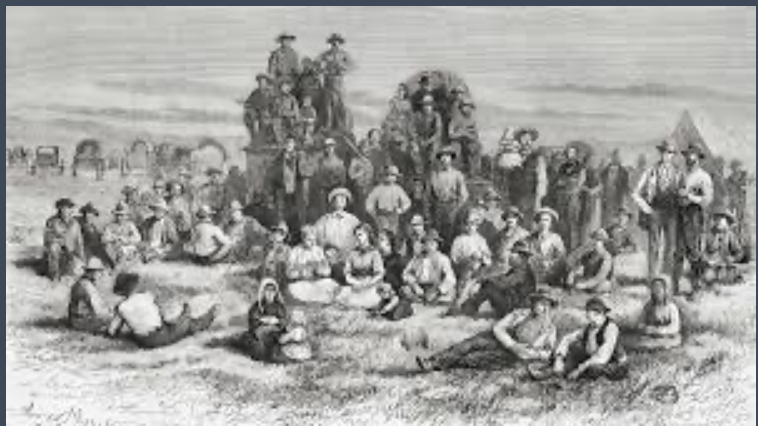
The Church of Jesus Christ of Latter-day Saints (Mormon Church) brought over 3,300 European emigrants from the Missouri River across the plains to Salt Lake City, Utah in 1866.
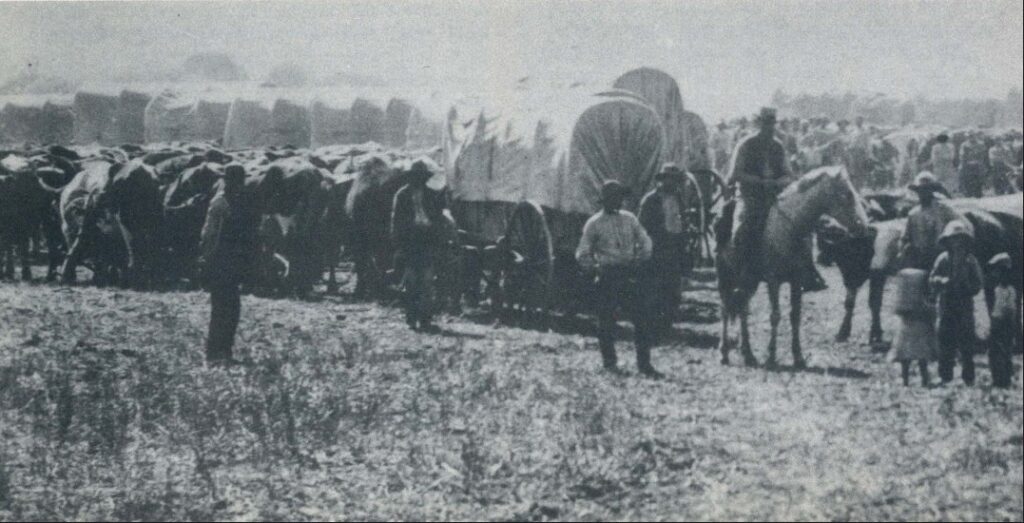
The Joseph S Rawlings Wagon Train company was first of the three companies to start West to Salt Lake City, Utah. Thomas and Ane Johnson’s (Jorgensen / Christensen) family are traveling on this wagon train.
The Andrew Hunter Scott’s company departed Wyoming, Nebraska on August 8, 1866, heading West to Salt Lake City Utah with about 300 emigrants and 49 wagons.
Our relatives, Anna Thomason Nielsen with her daughter Ane (Anna) and Mogens Svendsen’s family (four plus daughters) are assigned to the Andrew H. Scott Wagon Company. Three will be buried along the wagon trail just before crossing into Utah Territory. The remaining five will part in unexpected ways.
The Abner Lowry Company departed the outfitting point on August 13, 1866 (five days later than others), also with about 300 emigrants.
Our family, son Laurs Laursen Nielsen and Dorthea Marie Thomasen’s family were assigned to the Abner Lowry Wagon Company,.
It was the last major ox-train of the 1866 season and was often called the “Sanpete Train” because many of its teamsters came from the Sanpete Valley.
Both Andrew H Scott Wagon and Abner Lowry’s companies followed the established Mormon Trail:
Wyoming, Nebraska
Along the north side of the Platte River
Fort Kearny
Fort Laramie
South Pass
Fort Bridger
Into the Salt Lake Valley.
So, they did not take different routes.
Instead:
They traveled the same trail.
They were organized as separate companies.
Because Lowry’s company was later by 5 days in the season, it encountered colder weather, needed assistance from relief wagons near the end of the journey, and suffered heavier losses from disease.

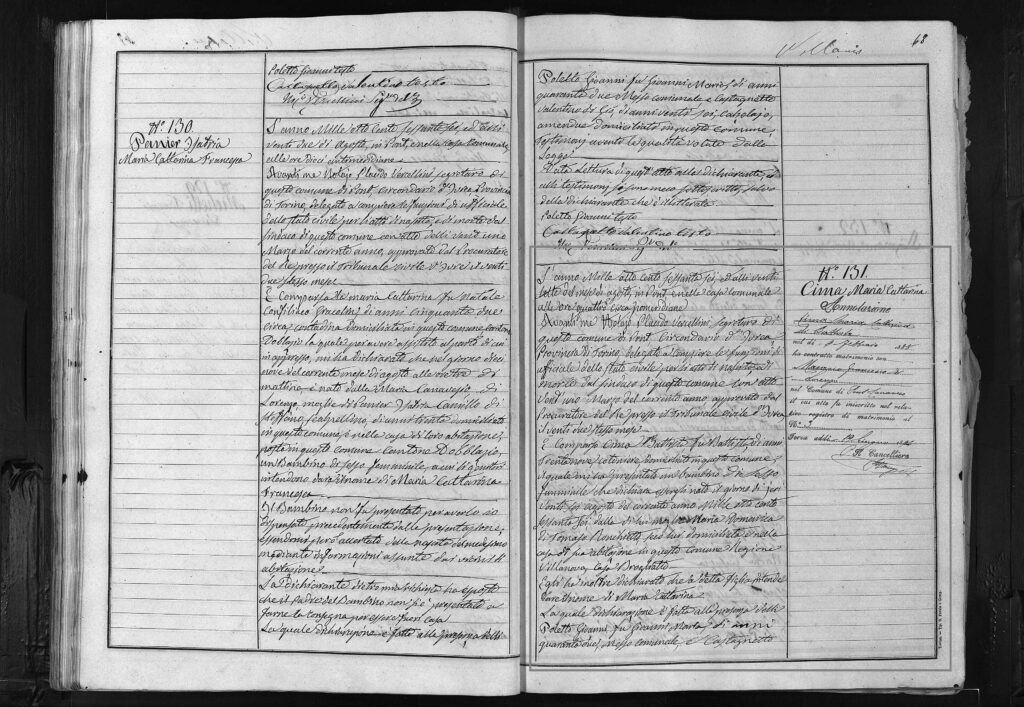
Cattarina Cima’s birth record in Italy
Her name is found spelled in several different ways. This is Teresa (Tiscornia) Bornstein’s mother.
Learn more here.
Ane (Anna) and Mogens Svedsen’s last child Tomina who was born 3 SEP 1866, died 24 SEP 1866 on the wagon trail in Wyoming just before entering into Utah Territory.
Sadly, brother Laurs Laursen Nielsen and Dorthea Marie Thomasen also lost their young child Lauritz Nielsen to the cholera outbreak on the plains.
Two weeks after his daughter Tomina’s birth, Mogens Svendsen dies in a freak accident working with Ox – they stampede him. The Ox were traveling with the wagon train. Mogens gets buried on the wagon trail in Wyoming.
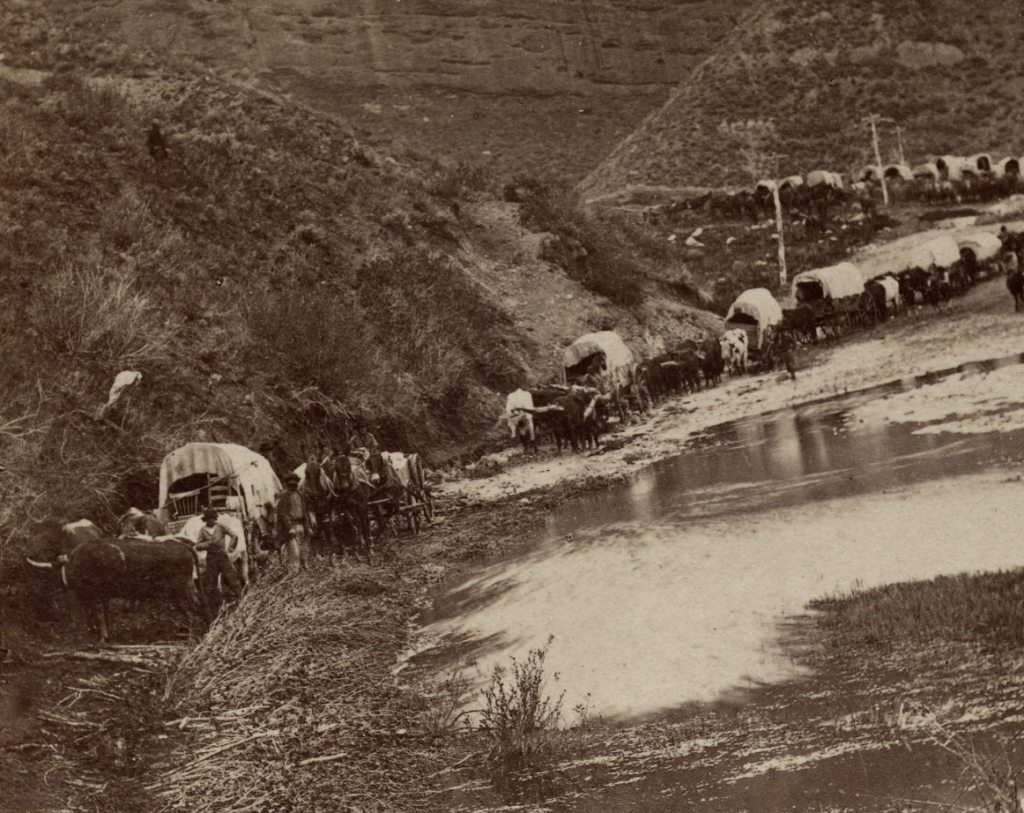
Ane (Anna) Svendsen dies from childbirth complications weeks after Mogens death. She also gets buried on the same wagon trail in Wyoming different spots.
This leaves the four living daughters with no parents, in a new homeland.
Cousin Thomas and Ane Johnson’s (Jorgensen / Christensen) family and they went on to live in Draperville eventually moving south to Richfield and Glenwood, Utah where they joined the United Order.
Thomas Johnson took Susannah Veater as a second wife and they moved to Overton, Nevada while first wife Ane Petersen Johnson, her daughter Birthe and sons Christen, Peter and Martin remained in Glenwood, Utah.
Anna and her family as well as her mother Anna Nielsen were assigned to the Andrew Scott wagon company. They were traveling West after landing in New York. According to the diary of Andrew Jensen’s journey from Denmark, he was assigned to the same company.
The Scott company rather than traveling over Big Mountain and entering the valley through Emigration Canyon traveled up Silver Creek Canyon and then down Parley’s Canyon and into the valley. Based on her daughter Augusta Svendsen Gibson’s application to the Daughters of the Utah Pioneers. Her mother Anna Svendsen died and was buried on Oct 1 1866.
Per the Andrew Jensen diary the following day they would have crossed into Utah and crossed the Bear River.

The Andrew H. Scott Wagon Train Company arrived at Salt Lake City, Utah Territory on 8 OCT 1866.
The company experiences tragic events on the trail. Three out of our eight family members die while traveling on this wagon train.
Tomina, the youngest child of Ane (Anna) & Mogans was born early September 3, 1866. Mogens, the father, dies 2 weeks later in a freak accident. A documented diary entry of another passenger notes Mogans was helping with the Ox traveling with the company, and dies from stampeded injuries. His wife Ane (Anna), and mother to Tomina dies 7 days later after her husband (believed to have been exhaustion combined with childbirth complications).
Both Mogens and Ane (Anna) are buried on the trail in Big Mountain Wyoming just before entering Utah Territory.
This leaves 4 daughters without parents. Their Uncle Lars who is traveling on the Abner Lowry Wagon Company becomes their legal guardian because he is the next of male kin in America. He and his wife are traveling on the the Abner Lowry Wagon Company, which arrives in Salt Lake City 22 October due to a cholera outbreak on the trail.
His four nieces found themselves in a new country without their parents after 55 days on the wagon trail in addition to months of difficult travel in search of a better life.
The four orphaned girls lived with their uncle Thomas Laursen Nielsen and Andrea until arrangements were made for them to be cared for by guardians. The three older children Laura, Augusta and Anna were cared for by the Henry W. Naisbitt family of Hooper, Weber, Utah and the youngest, Oline Emilia, by the William Paul family of Salt Lake City, Utah.
Grandmother/Mother Anna Thomasen Nielsen lived with her son Thomas Laursen Nielsen and Andrea Jensen in their home at Logan, then Hyde Park, Cache, UT, finally moving to Weston, Franklin, Idaho where Anna died. Her son Laurs Laursen Nielsen and Dorthea Marie Thomasen’s family settled in Hyde Park, Cache, Utah.
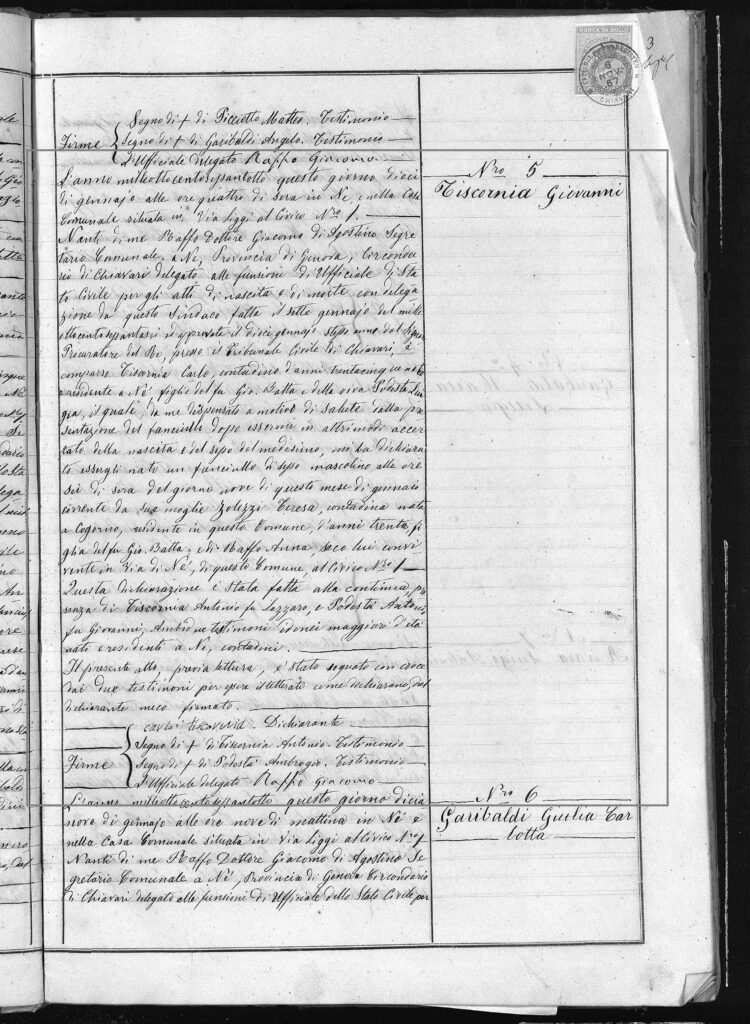
This is Teresa Tiscornia’s father
- Find more information about the exact location – Ne or Chiavarti? Both are separate municipalities in the Liguria region of Genoa.
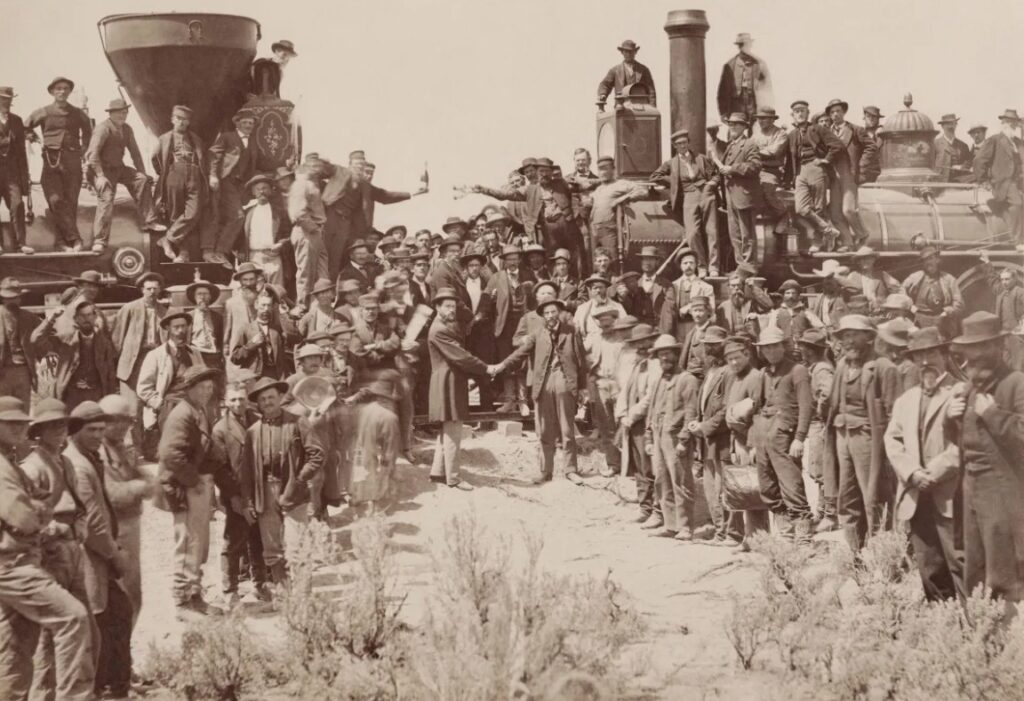
On May 10, 1869, six years after construction started, Leland Stanford drove The Last Spike (or golden spike) into the tracks joining the rails of the transcontinental railroad. Hundreds gathered at Promontory Summit, Utah for the ceremony as tracks of the Central Pacific and Union Pacific route were connected.
While the iconic spike in Utah joined the continent, it took until August 15, 1870, to lay the final sections at Comanche Crossing (now Strasburg), Colorado, creating a truly continuous, unbroken coast-to-coast railroad network.
The railway dropped the cross-country travel time from months to just 7 days.
In 1866, as our family journeyed from east to west, the final stretch of their trip was by wagon train. Along the way, railroad tracks were steadily advancing across the frontier. Wagon train companies adapted as long as they could, but the relentless march of new technology ultimately made them obsolete. It’s a powerful reminder that innovation doesn’t just change how we travel—it transforms entire industries.
Catterina will marry twice; first to Frank Maccario. He migrates to America before her. They have 3 children together. She follows later with the children. Frank dies shortly after her arrival in America. She remarries a second time to Giovanni “Anton” Anthony Tiscornia. They have 2 children together and eventually settle in Bellingham WA. One of their children is Teresa Tiscornia who marries Myer Bornstein creating our family branch!

Understanding this history helps us better appreciate the strength, resilience, and determination of the women in our own families who arrived in the United States of America in 1866 – the challenges they faced while building families, homes, and new lives in America.
In 1870 America, married women had very few legal rights of their own. Under a system called coverture, a woman’s legal identity was absorbed into her husband’s when she married. In the eyes of the law, husband and wife became one legal person — and that person was the husband.
Married women generally could not own property independently, sign contracts, control their wages, or make many legal decisions on their own. Children were considered legally under the father’s authority, and women who left unhappy or abusive marriages often lost custody of their children. Even basic financial independence was difficult to achieve.
In 1866, when our ancestors arrived in The Utah Territory, an early foundation for women’s rights in the region and nationally was taking place: [1, 2]
- National Suffrage Push: In 1866, national leaders formally organized to advocate for women’s voting rights alongside civil rights.
- Territorial Landscape: In territorial Utah, women’s rights were heavily intertwined with religious, cultural, and political dynamics, ultimately leading to the territory granting women the right to vote in 1870. This made Utah the second territory in the country to extend suffrage
These laws and customs shaped everyday life for generations of women, including many of our own ancestors. The fight for women’s rights — property ownership, voting rights, financial independence, and legal protection — unfolded slowly over more than a century.
Many of the freedoms women have today were hard won and surprisingly recent. Married women could still be denied credit cards without a male co-signer until the 1970s, and marital rape was not outlawed nationwide in the United States until 1993.
That is not a metaphor, and it is not an exaggeration. Under U.S. law at that time, a married woman had no independent legal identity. She was invisible in the eyes of the courts, the government, and the economy. Her existence was absorbed into her husband’s, as if she were never a separate person at all.
The Page Act of 1875 was the first restrictive federal immigration law in the United States. Championed by California Congressman Horace F. Page and signed into law by President Ulysses S. Grant, it officially banned the entry of forced laborers, convicted criminals, and women imported for “immoral purposes”
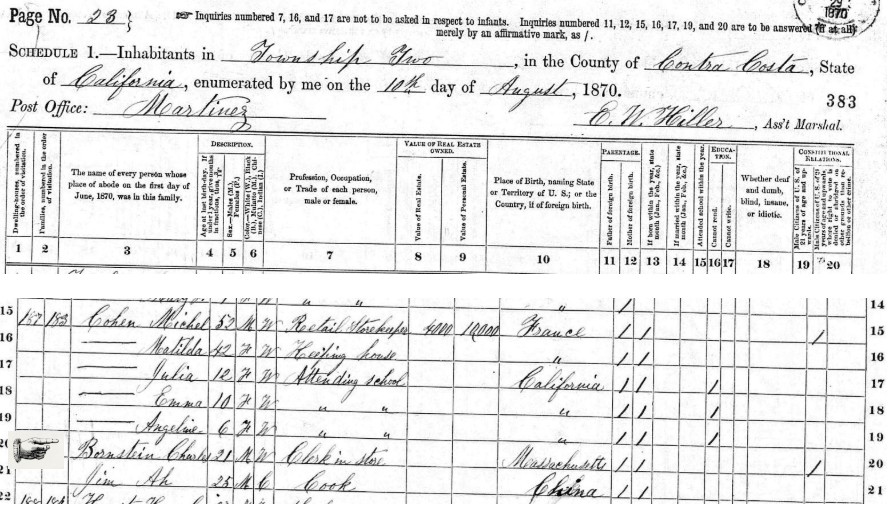
It effectively criminalized the presence of Chinese women in the American West.
Federal law assumed any Chinese woman in a mining camp was illegal property. Territorial census records from 1880 list dozens of these women only by derogatory slurs or blank spaces. They were legally invisible. They could not testify in court, own property, hold a business license, or legally marry a white citizen.
The Page Act is 9 years after our own relatives headed west and settled into Utah Territory after having migrated from Sweden, Denmark and Germany in 1866.
The Page Act ultimately paved the way for even harsher, broader restrictions, culminating in the Chinese Exclusion Act in 1882.

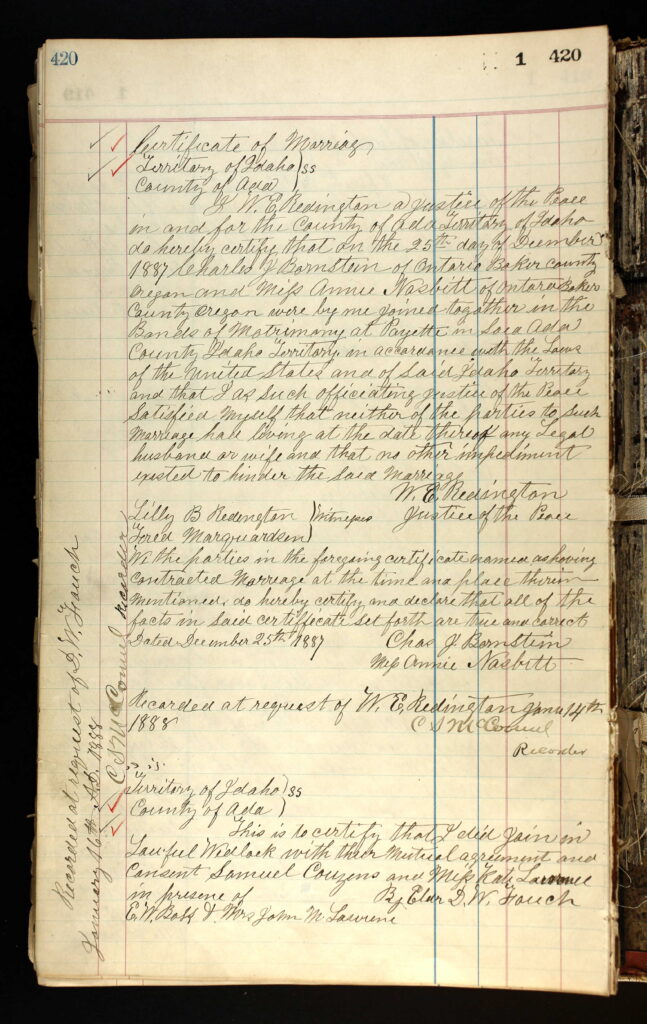
Anna and Charles didn’t use fake names, but they did travel to a different state (Idaho) and falsely claimed to be residents of Ontario, Oregon, which was just across the border from Payette, Idaho, where the marriage was recorded. They both lived in Utah at the time.
Anna Svenson/Nasbitt (Myer Bornstein’s mom) was about 5 months pregnant with her first born, Henry, when she and Charles Bornstein got married in 1887.
They were married December 25, 1887, and Henry was born on May 2, 1888. Henry was the oldest of 9 children and Myer was the youngest.
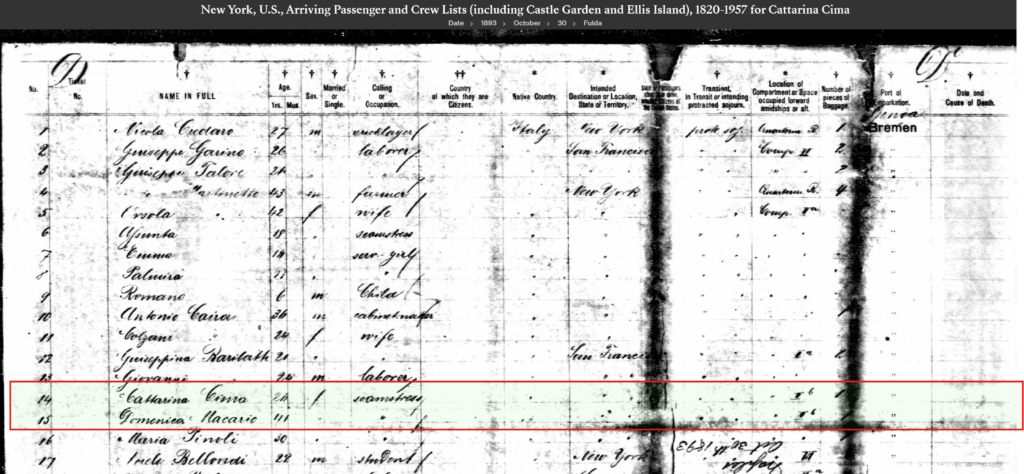

Catterina with her daughter Domenica arriving from Italy Landed at Castle Garden in New York, USA for Immigration Processing
Madalena is one of 3 daughters born to Catterina Cima and Frank Maccario.
Lorenzo will lose his biological father at a young age to Baker’s lung while living in San Francisco, CA. His mother Catterina remarries and the second husband adopts him as a son. The new family expands and he gains a step-sister (Teresa Tiscornia) and a step-brother Frank Tiscornia. Lorenzo will go on to marry twice and eventually adopt the sons of his second wife, settling in Bellingham, WA.
Lorenzo passes March 18, 1990.
Myer is the youngest of 9 children raised in Bellingham, WA. He marries Teresa Tiscornia and they decide to settle in Bellingham raising six kids. Myer starts Bornstein Seafoods as a family business in the late 1930’s and three generations later, the Bornstein family business iis still providing a living in 2026!
Myer passes on May 8, 1991 in Bellingham, WA.
Fun Fact: Myer was also an active and long time member of the Pythias.
Citizens from the four separate towns of Whatcom, Sehome, Fairhaven, and Bellingham vote to merge into a new larger city.
September and October 1903 saw significant action with petitions presented by representatives to unite the towns, forming what would become the fourth largest city in Washington.
The consolidation officially created the city of Bellingham, which was named after the bay dubbed by Captain George Vancouver in 1792.

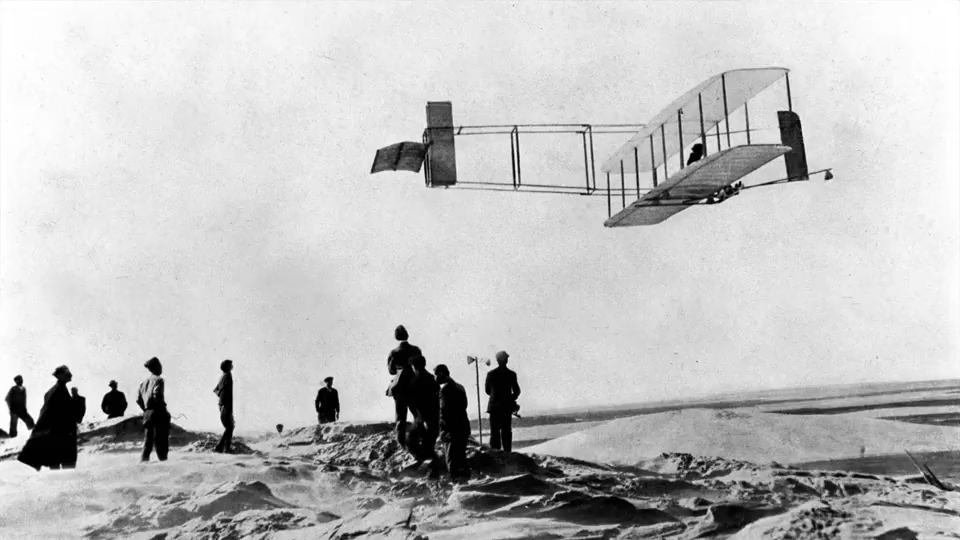
Brothers Orville and Wilbur Wright made the first successful flight of a self-propelled, heavier-than-air aircraft on Dec. 17, 1903.
The first member of the Bornstein and Tiscornia families to fly was … (want to help us figure this out – requires more research)
Myer Bornstein was one years old when this flight takes off.
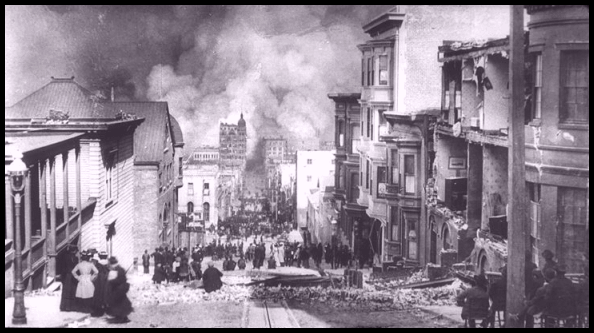
This photograph by Arnold Genthe shows Sacramento Street and approaching fire.
A Tiscornia family member is included in the count of 700 fatalities – due to smoke and dust inhalation that took over the city for several days after the actual earthquake.
Picture courtesy of Steinbrugge Collection of the UC Berkeley Earthquake Engineering Research Center
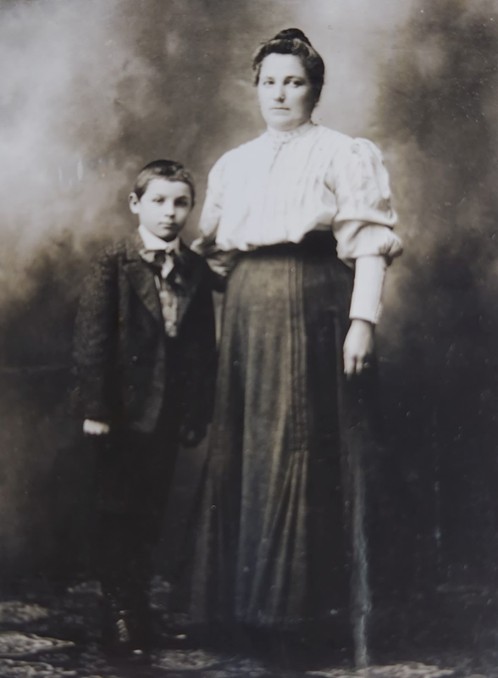
Katherine (Cima Maccario) Tiscornia with son Lawrence (Maccario) Tiscornia in San Francisco, California
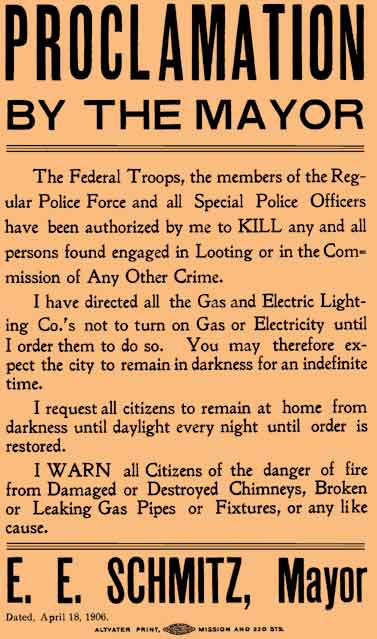
Anton Tiscornia is Deputized. He finds it difficult to enforce the proclamation on his neighbors.
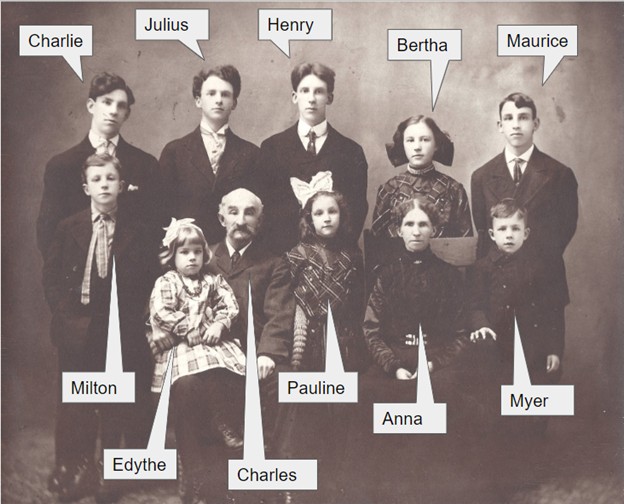
He moves the family north to Seattle, Washington. They are included in the count of refugees fleeing the city.
There are over 225,000 refugees that fled San Francisco due to the earthquake. It is one of the largest evacuations in history.
More information on mass exodus due to the earthquake can be found here.
Pike’s Market is one of the oldest still working farmer’s markets in the US. It is located in Seattle’s central business district, just north of Belltown , and southwest of central waterfront and Elliott Bay. Myer Alvin Bornstein is 5 years old at this time.
Frank is the youngest brother to Teresa Tiscornia and Frank Maccario Tiscornia.
He will marry Ellen Tobbacco and together they will raise 3 boys; John Carl, Tim and Paul Anthony. Frank will outline his wife by 5 years and passes on September 7, 1997 in Bellingham WA.
Historically, Western society enforced rigid dress codes, with long skirts and corsets for women and trousers reserved for men.
Teresa Tiscornia marries Myer Bornstein and together they raise six children in Bellingham WA. She didn’t drive until her 40’s. Joined her husband in international travels related to the fish business. Myer was active in helping to change legislation at the time.
Teresa passed on ?? in Bellingham, WA. She enjoyed celebrating five living generations at one point!

Ellen is a childhood friend of Teresa Tiscornia, both growing up in Bellingham WA. Ellen will marry Teresa’s brother Frank Tiscornia and together they raise a son John Frank. Ellen passes on May 24, 1992 and is buried in Bellingham WA.
Add Description Here

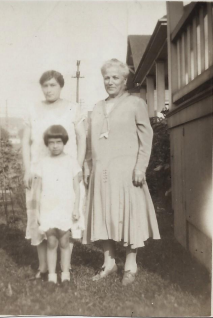
Katherine Cima Maccario Tiscornia on right. With Katherine’s daughter from her first marriage – Domenica (Maccario) Simonetti and granddaughter Evelyn Simonetti.
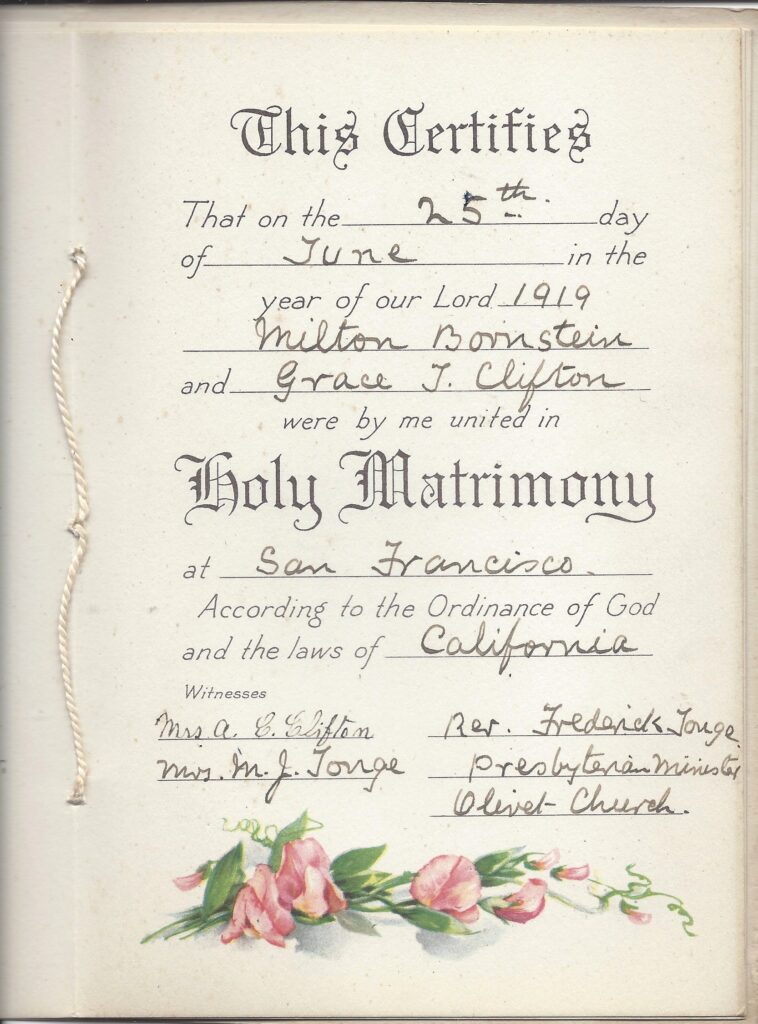
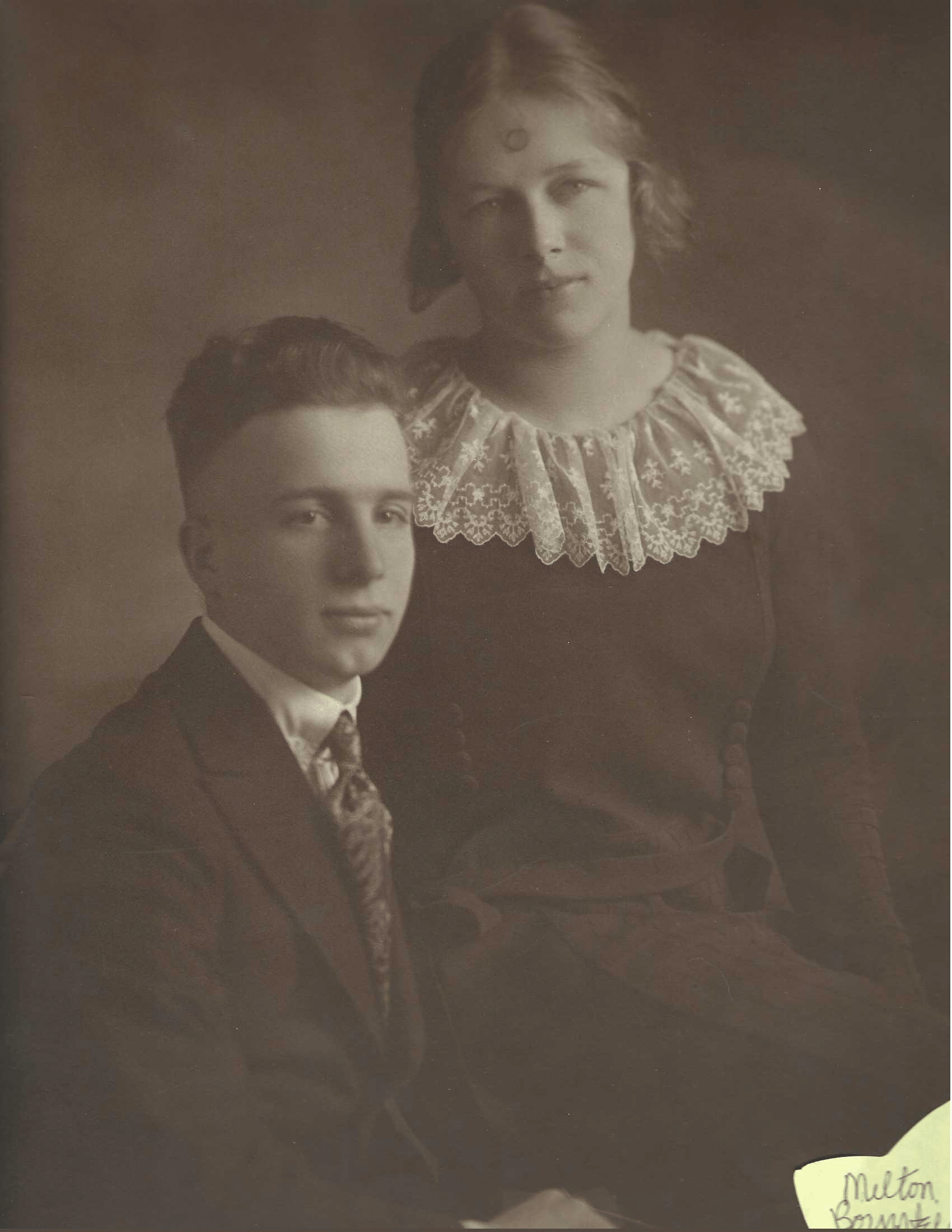
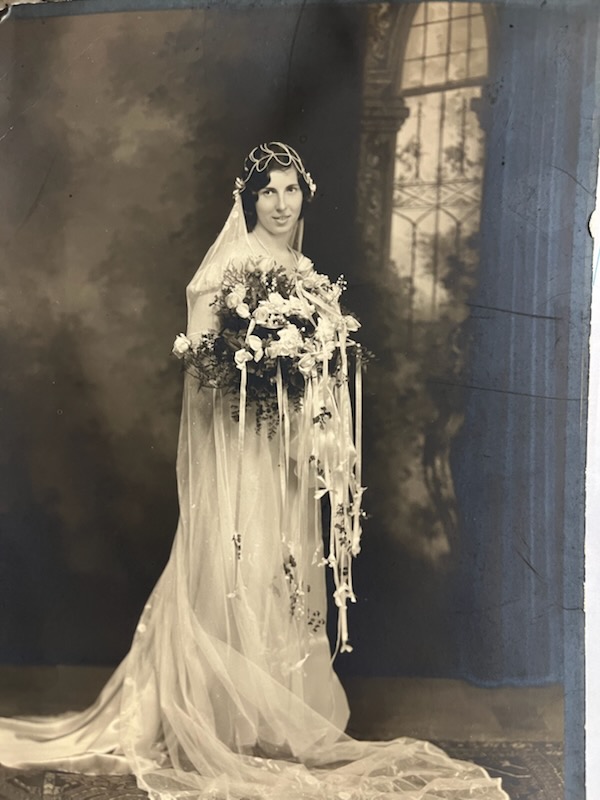
The newlyweds Milton Bornstein Sr. and Grace J. Clifton
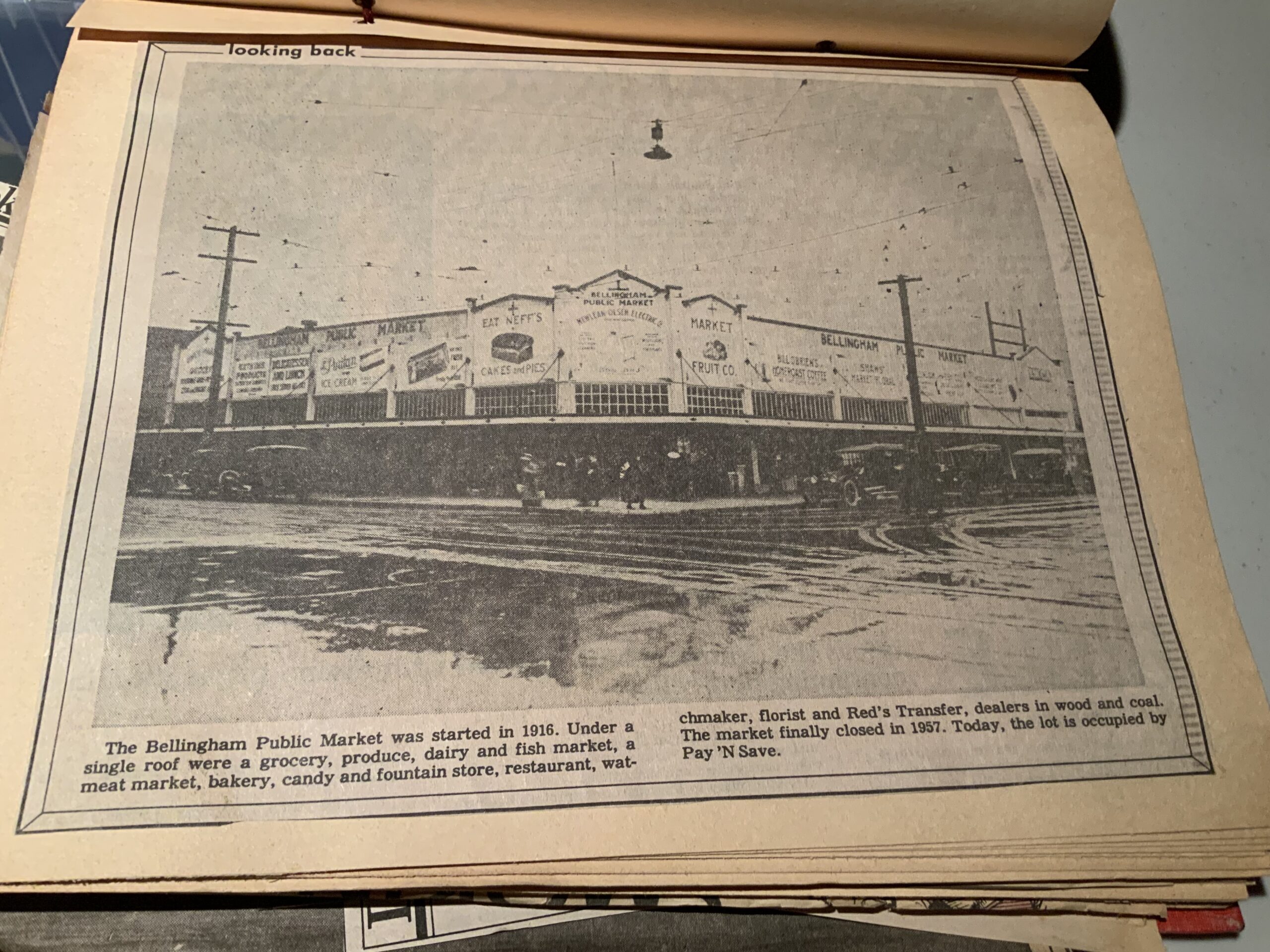
This was the meeting place of Myer Bornstein and Teresa Tiscornia, and functioned similar to a present day farmers market.
Myer was selling fish and Teresa was selling vegetables with her father.
Where does the photo come from?
Myer Bornstein enlists in the US Army for 1 year and heads off to Camp Grant in Illinois. He is one of many to take advantage of an opportunity presented by this branch of service offering electrical engineering or a business course in exchange for 1 year of service. Myer elected a business course.

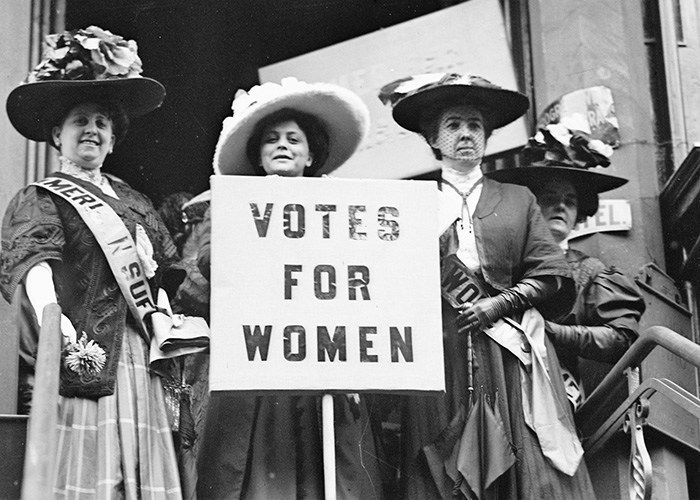
In 1920, women faced significant restrictions. They were commonly prohibited from serving on juries, obtaining independent passports (married women needed joint visas), wearing certain clothes (like short skirts/legs) in public in some areas, accessing contraception in many states, and entering many professional law or medical jobs.
Young women in the 1920s who embraced modern, rebellious lifestyles were commonly called flappers. Known for bobbed hair, short skirts, jazz music, and dancing, they challenged traditional Victorian norms. Other terms for young women included “modern women,” “college girls,” and sometimes “bobbed girls,” or even derogatory terms like “gold diggers”
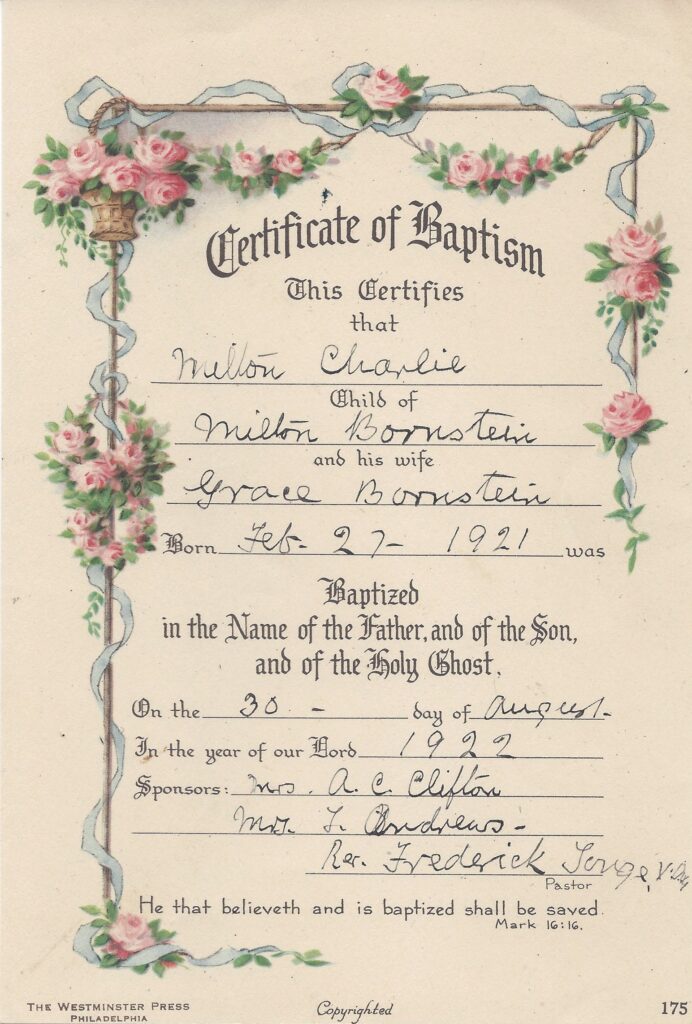
Milton Charlie Bornstein was born February 27th, 1921.
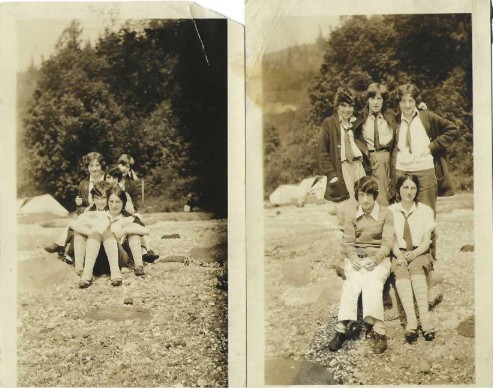
Teresa Bornstein (bottom right) and friends.
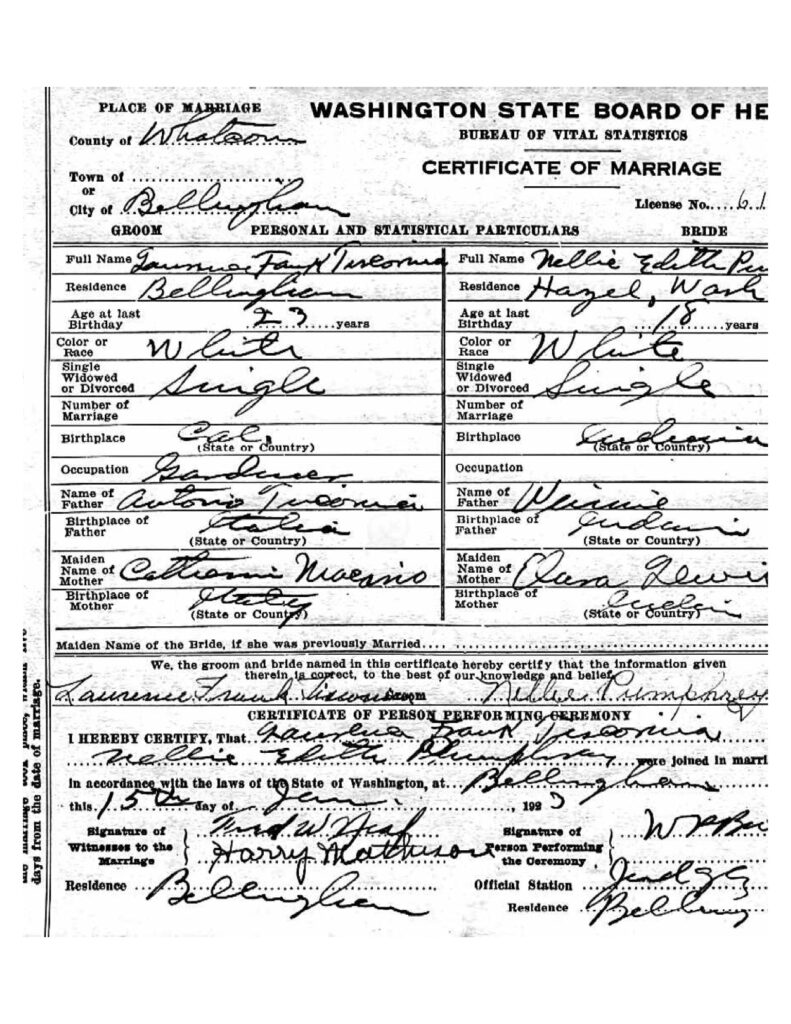
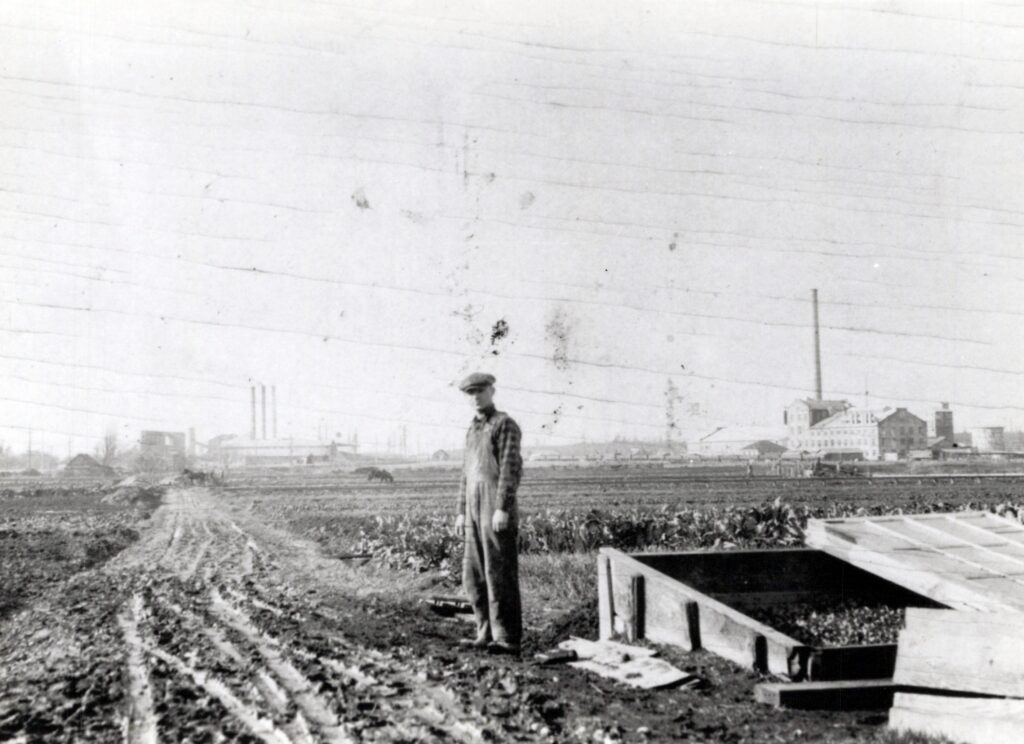
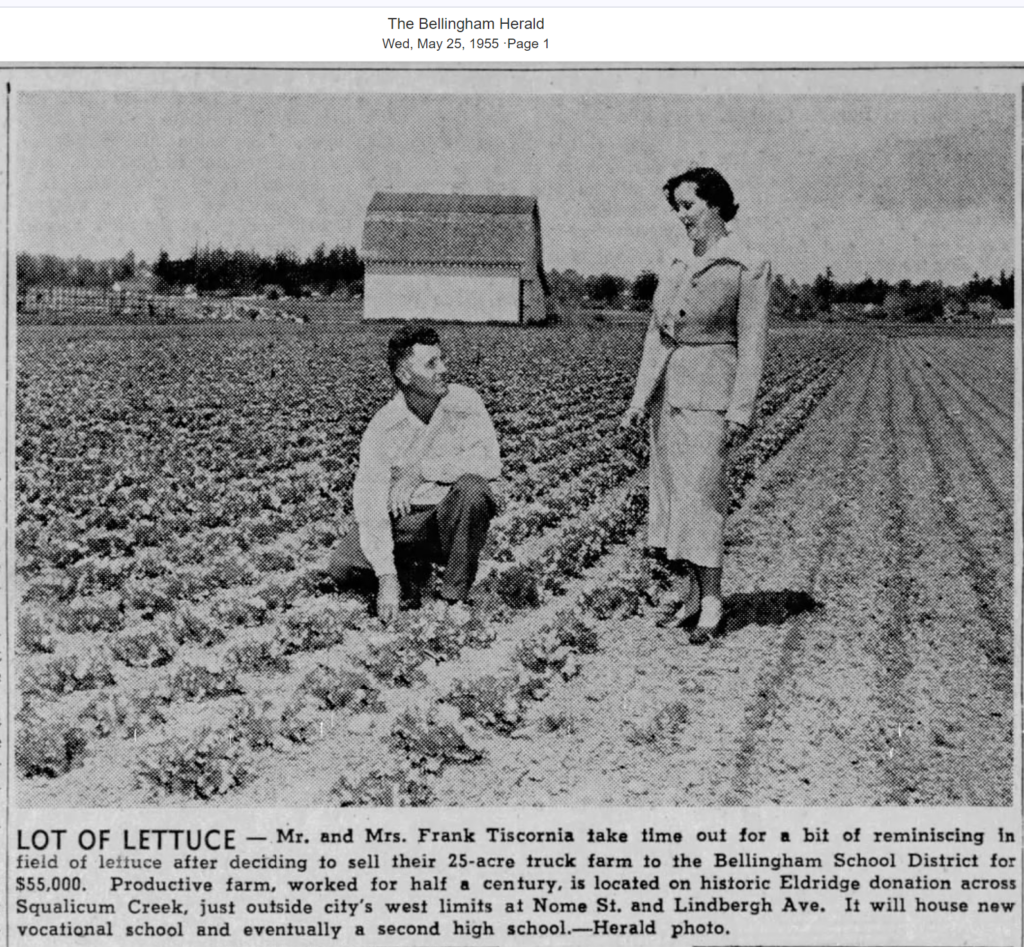
Lawrence Tiscornia, son of Katherine and 1st husband Frank. Adopted by Antonio Tiscornia, which was Katherine’s 2nd husband. Lawrence is at Nome Street Lettuce Farm Bellingham, WA
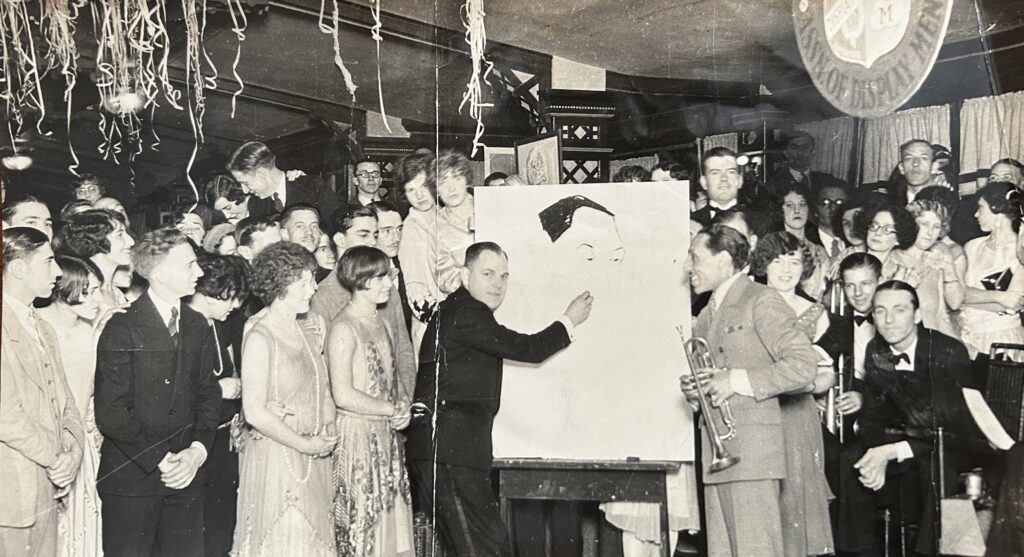
Milton Bornstein was an active member of the Display Men Society. Professional Window Dressers.
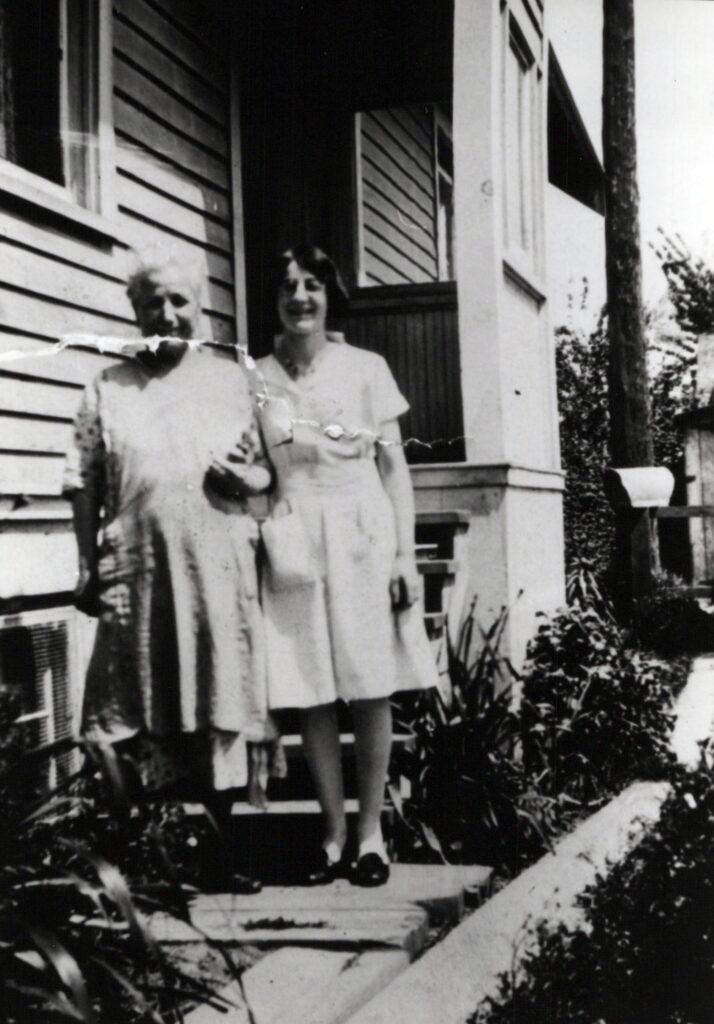

Katherine and Teresa Tiscornia in Bellingham, WA
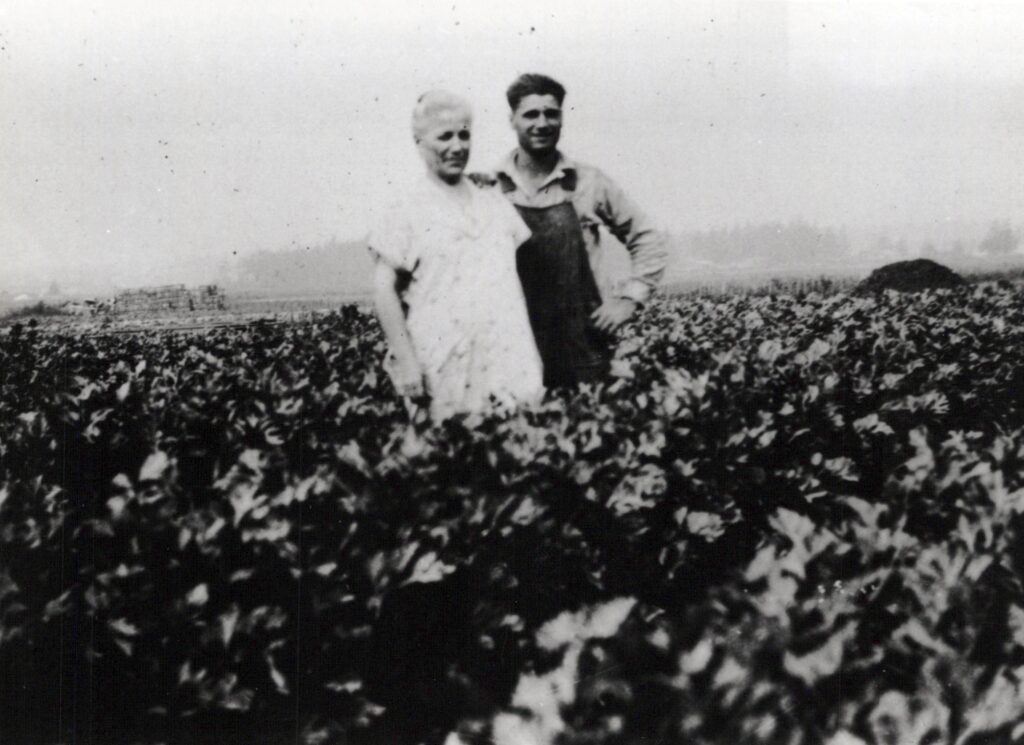
Her mother is Domenica who is half sister to Teresa Tiscornia (same mother).
Josephine is Niece of Teresa Bornstein and later, mother of Joan Paulsen.
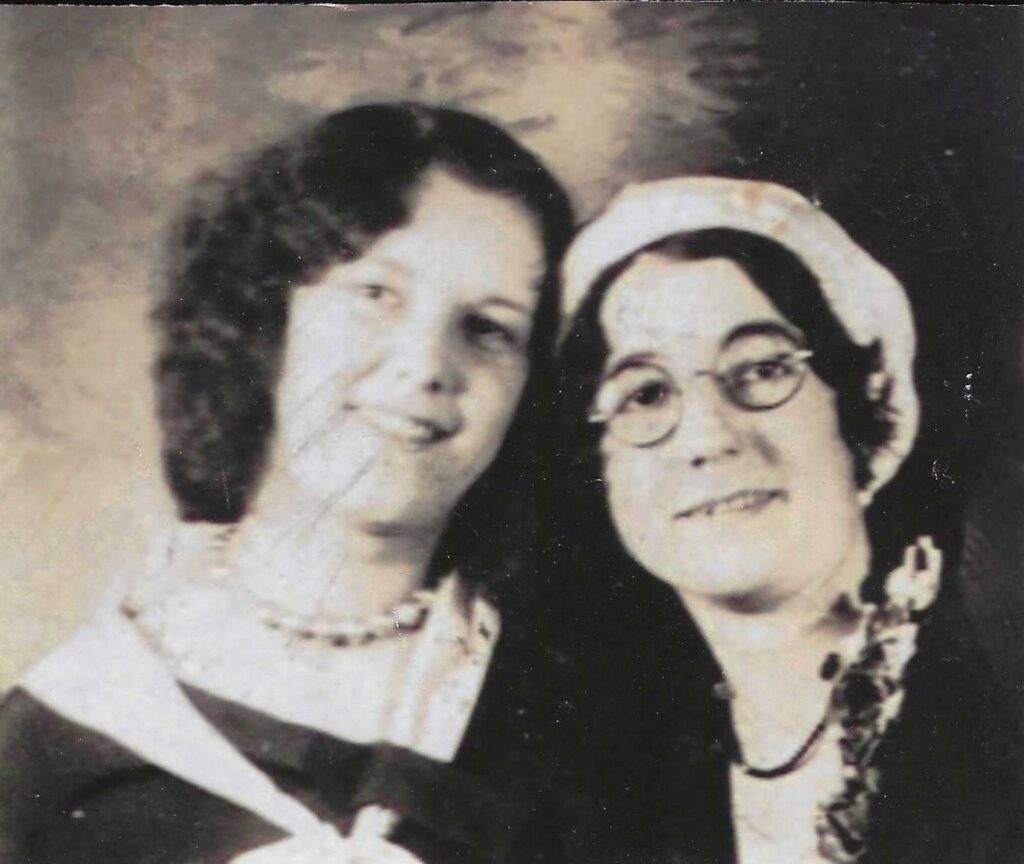
Close friends first, then became family by marriage.
Ellen married Frank who is Teresa’s brother. Teresa is approximate age is 19-20 years old.
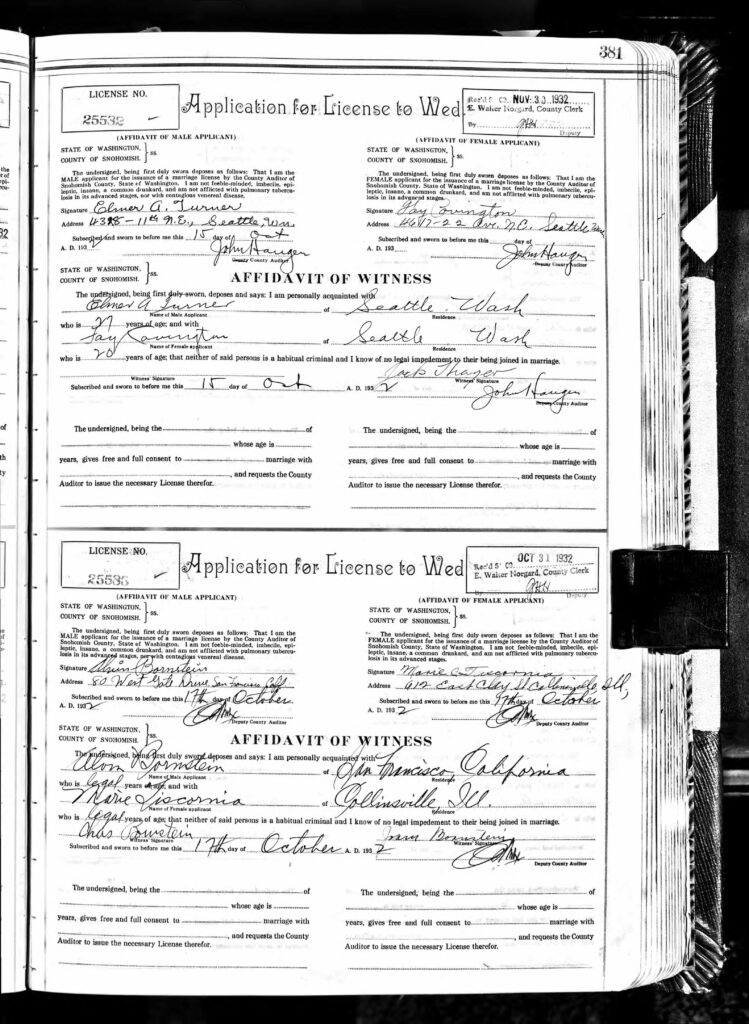
There is no wedding photo. They got married on the sly in the Snohomish County courthouse using fake names:
“Alvin” Bornstein from San Francisco California marries “Marie” Tiscornia from Collinsville Illinois.
Myer Bornstein used the fake name “Alvin” and Milt Senior’s home address in San Francisco.
Teresa used the fake name “Marie” and her cousins home address in Collinsville.
Teresa was 5 months pregnant with her daughter Joanne when she married Myer, the first of six children.

A small fish plant at the foot of Taylor Street in Bellingham, WA was acquired. Myer Bornstein was the front man for the operation. Charlie Houser was a silent partner. Charlie Bornstein handled paperwork.
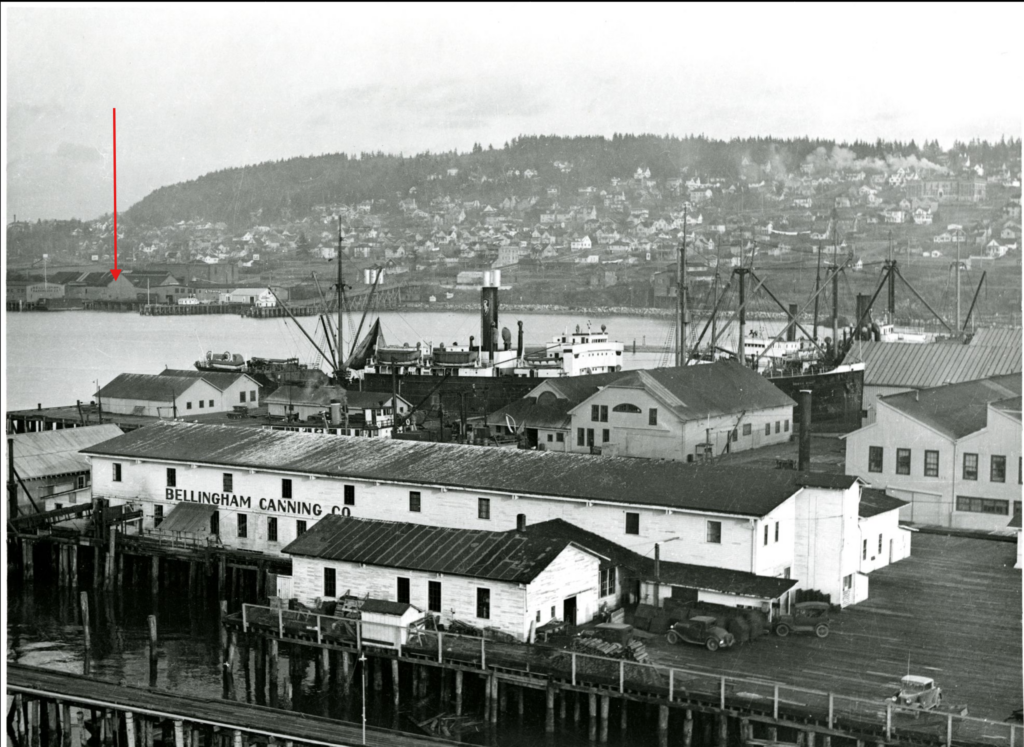
Add Description Here
Joanne will marry Frederick “Stephen” Kurtz and raise six children in Bellingham WA. Joanne will be instrumental in helping to bring Hospice Services to the community in Bellingham WA.
Janice will marry Gary Stuhr and raise six children in Yakima WA.

The red arrow points to the location of Bornstein Seafoods.
The business that was at the corner of Central and Roeder Ave was Bellingham Fish Co., which was a storefront Myer Bornstein owned for selling seafood. It was technically separate from Bornstein Seafoods. It was kind of like a butcher shop, but for fish.
Janice will marry Gary Stuhr and raise six children in Yakima WA.

Worlds Fair held at Treasure Island in San Francisco.
John marries Paula Clay Collins and together they raise 3 sons; John Carl, Tim, Paul Anthony.
Paula is wife to John Frank Tiscornia. Paula and John raise their family in Seattle, WA and then move to Mercer Island WA. Two of their three sons will marry and produce 5 grandchildren; Katerina Jane, Hannah Clay, Lucy Bella, Sophia Emil, and Alexander Paul.
Janice will marry Gary Stuhr and raise six children in Yakima WA.

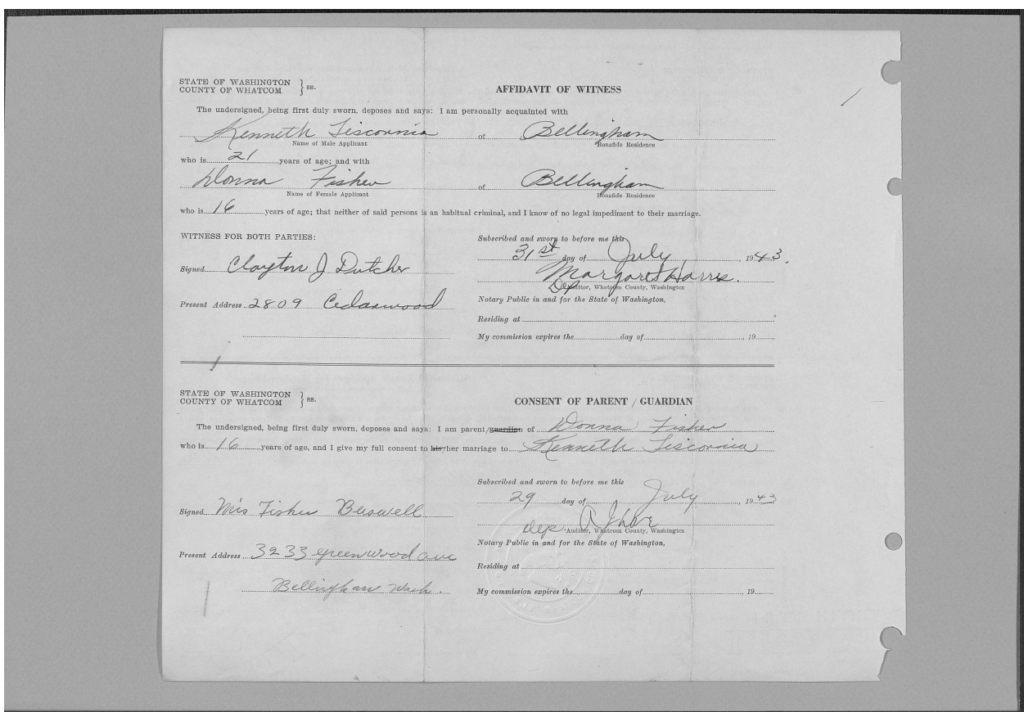
Kenneth D Tisornia a 21 year old groom, gets written permission to marry Donna Fisher his 16 year old bride. Her mother approves of the marriage.
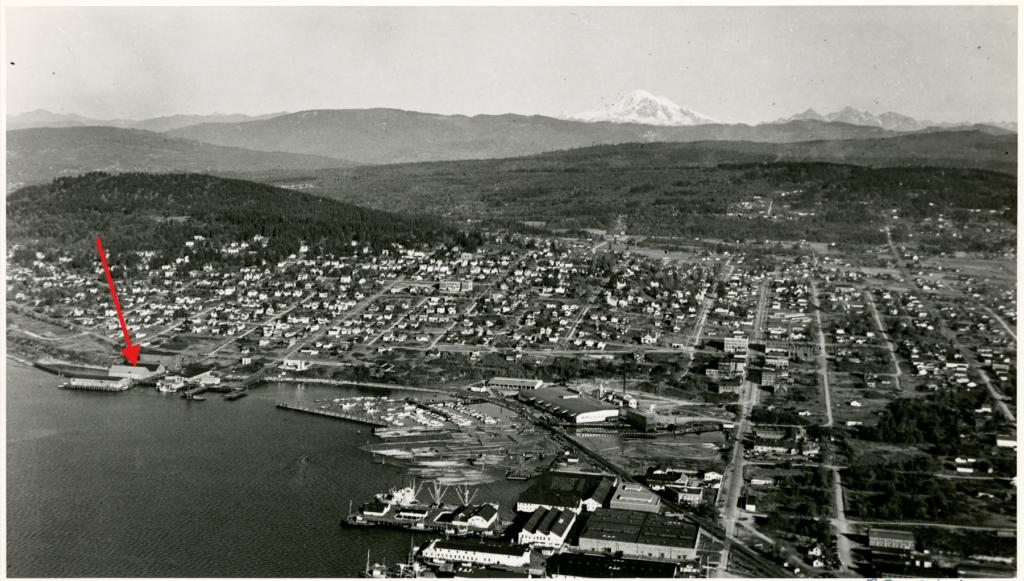
Janice will marry Gary Stuhr and raise six children in Yakima WA.

The red arrow shows the location of Bornstein Seafoods.
The Taylor Street Dock location was in South Bellingham (basically the Fairhaven area). This is where the actual processing began.

Bornstein Family celebrating New Years Eve at 700 Forest St Bellingham WA circa 1947- 48
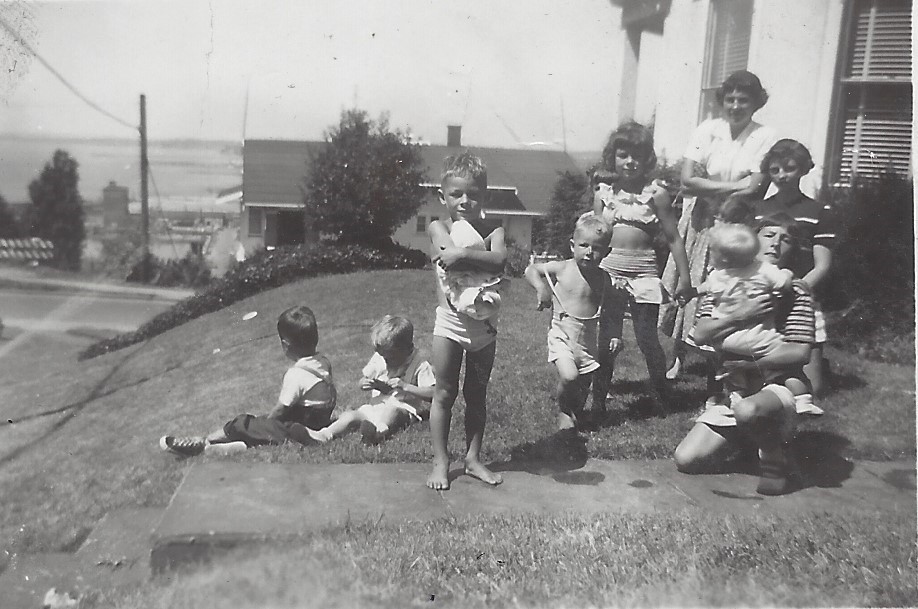
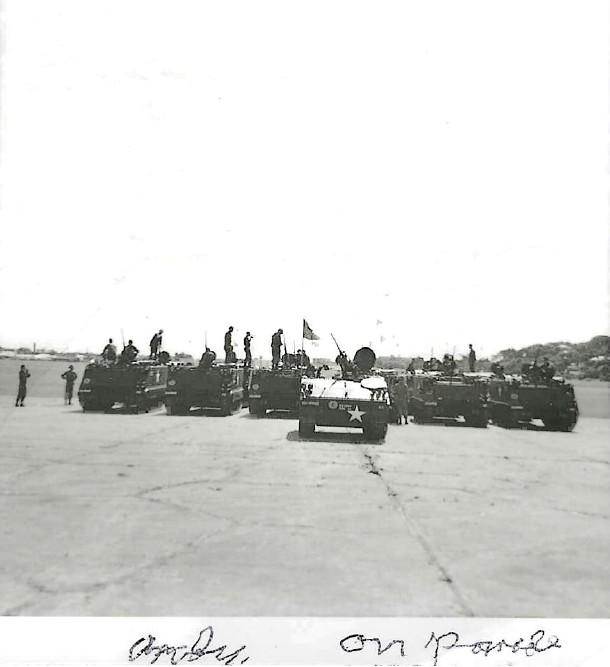
Andy enlisted in the US Army following his high school graduation. He died in the Vietnam War.


Judy Borntein’s first day out of the house after having measles. She was 12 or 13.
During the 1950s, surveys indicated that 95% of the population had been infected with measles by the age of 15 years.
Add Description Here

Aunt Judy Bornstein holding her niece Sandy Stuhr (Sandy is Myer & Teresa Bornsteins first grandchild).
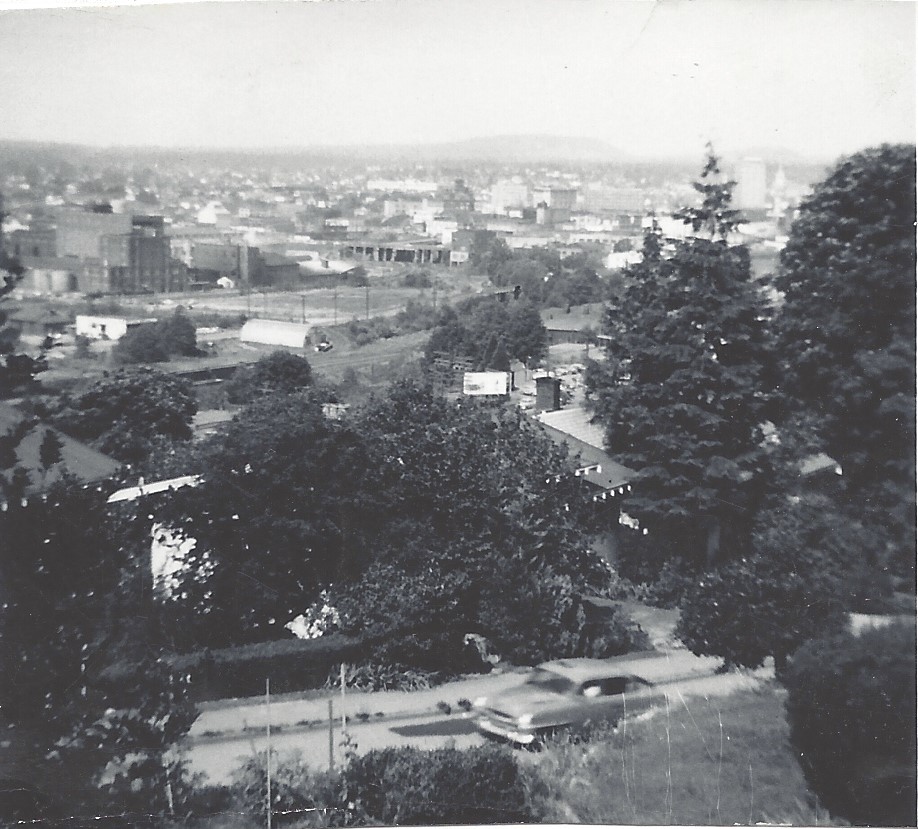
Sacred Heart Church, Bellingham WA

Judy Bornstein captures the view of Bellingham out of her bedroom window at 700 Forest Street, Bellingham WA.
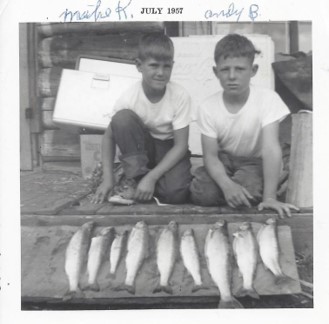
Mike Kurtz (left) and Andy Bornstein (right) with one of their hauls in July 1957 laid out in front of them.
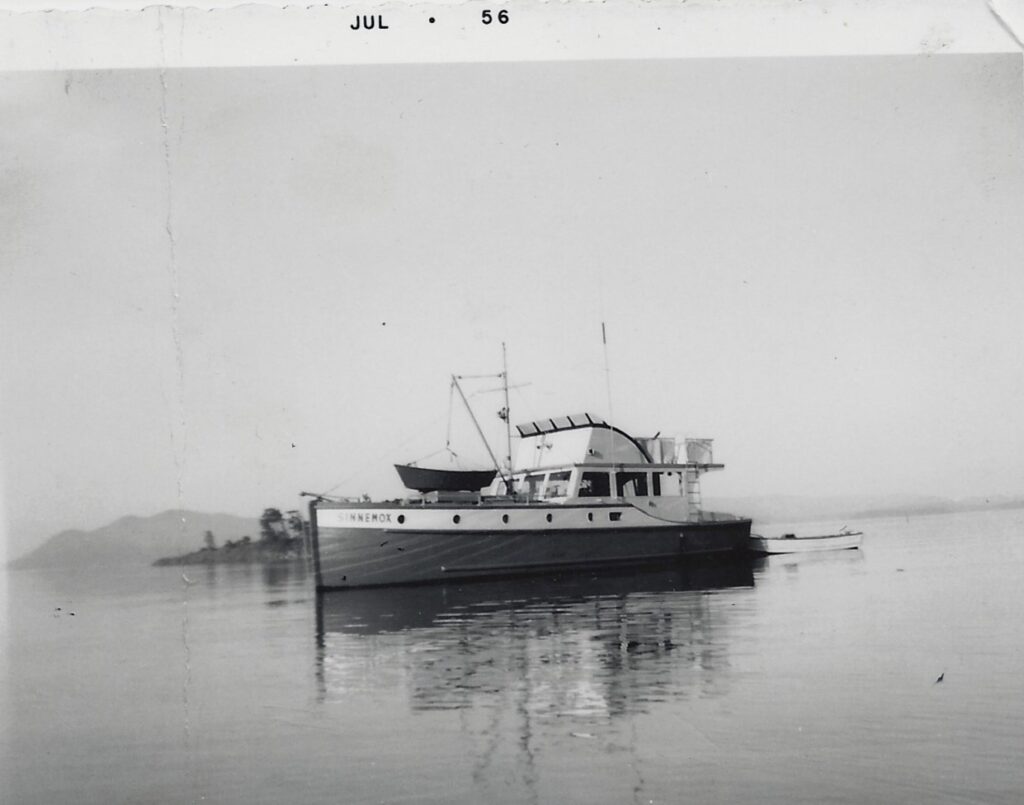
The Bornstein Family Boat (Sinnemox) is berthed in front of the Bellingham Yacht Club with Jay Bornstein on the stern.

Larry & Myrna Key cutting their wedding cake

Myrna and Larry Key Wedding Party
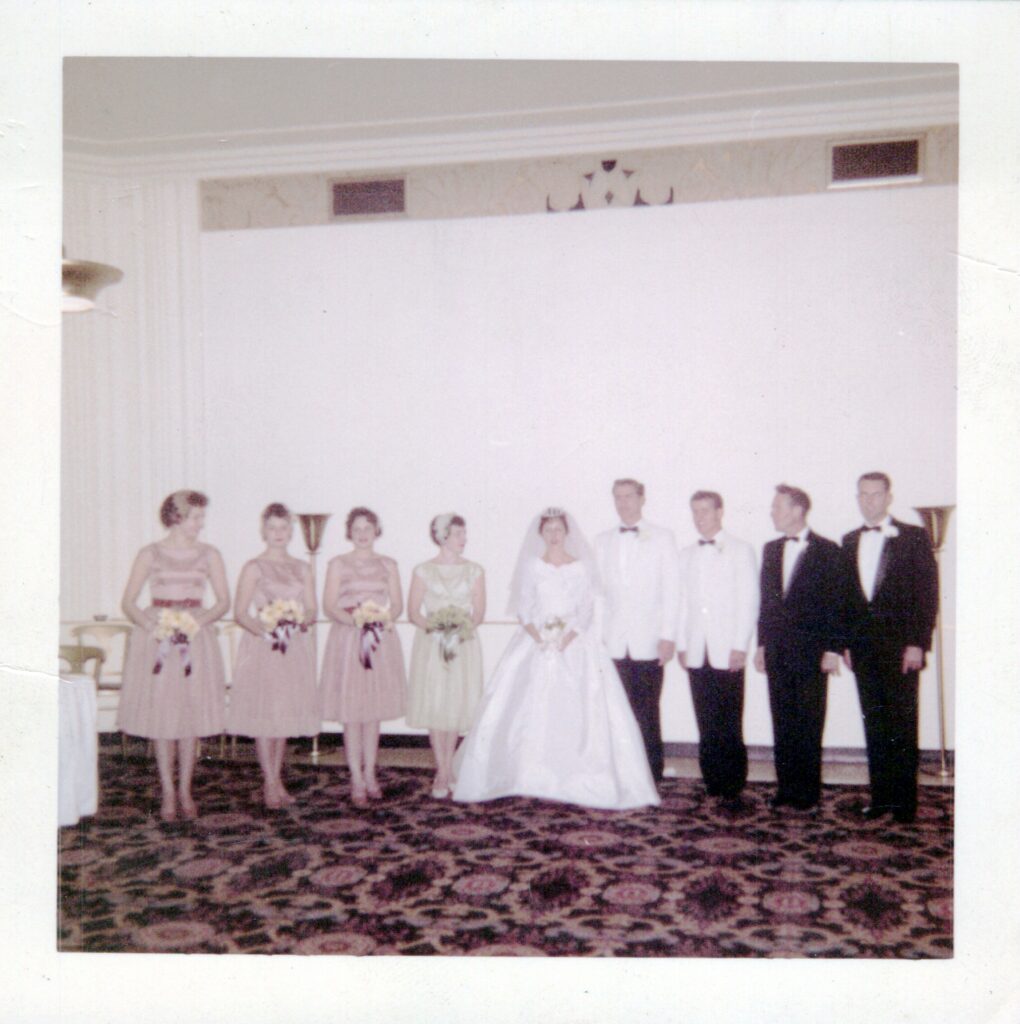
Myrna’s bridal party
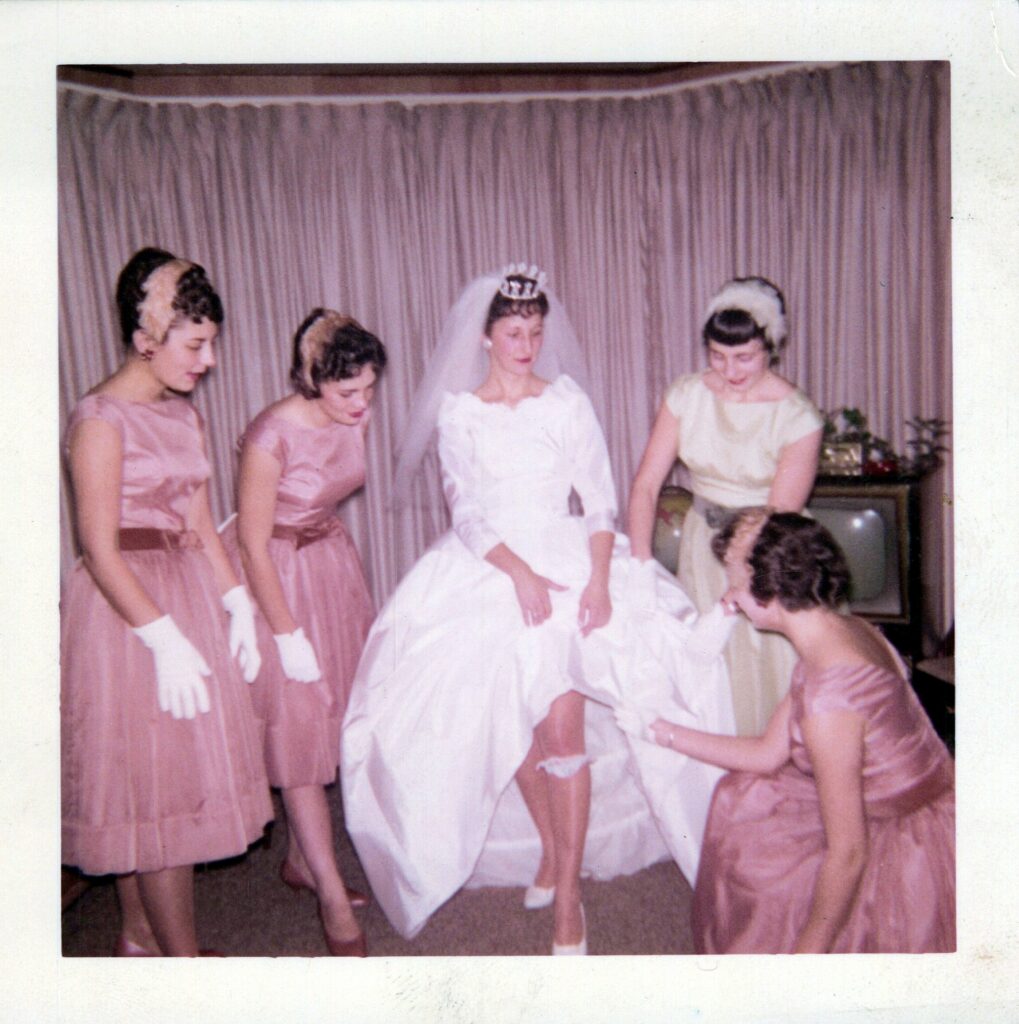
The Future is Calling


Aunt Judy Bornstein is holding Cindy Stuhr (right) sharing giggles with her nieces Sandy Stuhr (left), Vicki Stuhr (middle).
John is the oldest of 3 sons of Paula and John Tiscornia. Johns two brothers are Tim and Paul.

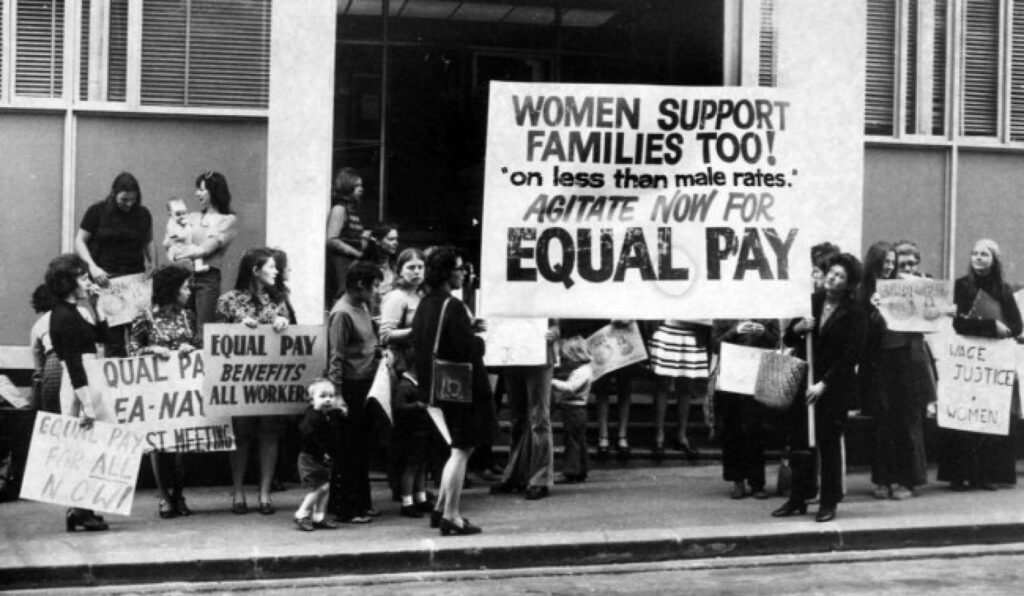
Equal Pay Act signed into lay on June 10, 1963 by JFK as part of his New Frontier Program
The Voting Rights Act of 1965 officially secured the right to vote for Black women, by banning discriminatory practices like literacy tests. While the 19th Amendment allowed women to vote in 1920, many Black women were still disenfranchised by Jim Crow laws until 1965.
The 1960 census reported only 22 Black residents in all of Bellingham. The minimal growth in the black population was due to historical exclusionary practices, including restrictive real estate covenants and “sundown town” practices that persisted until the late 1960s or early 1970s.

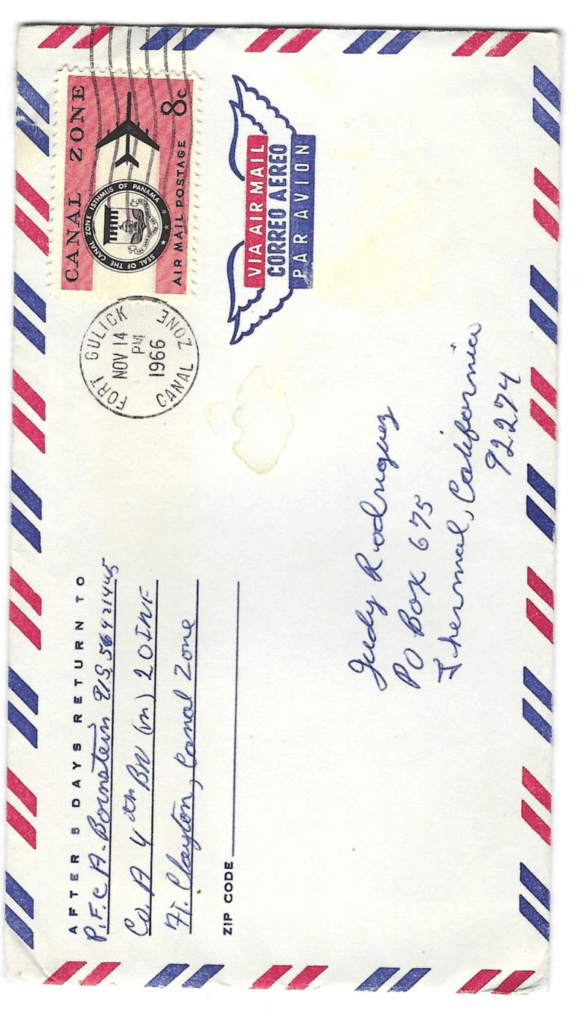
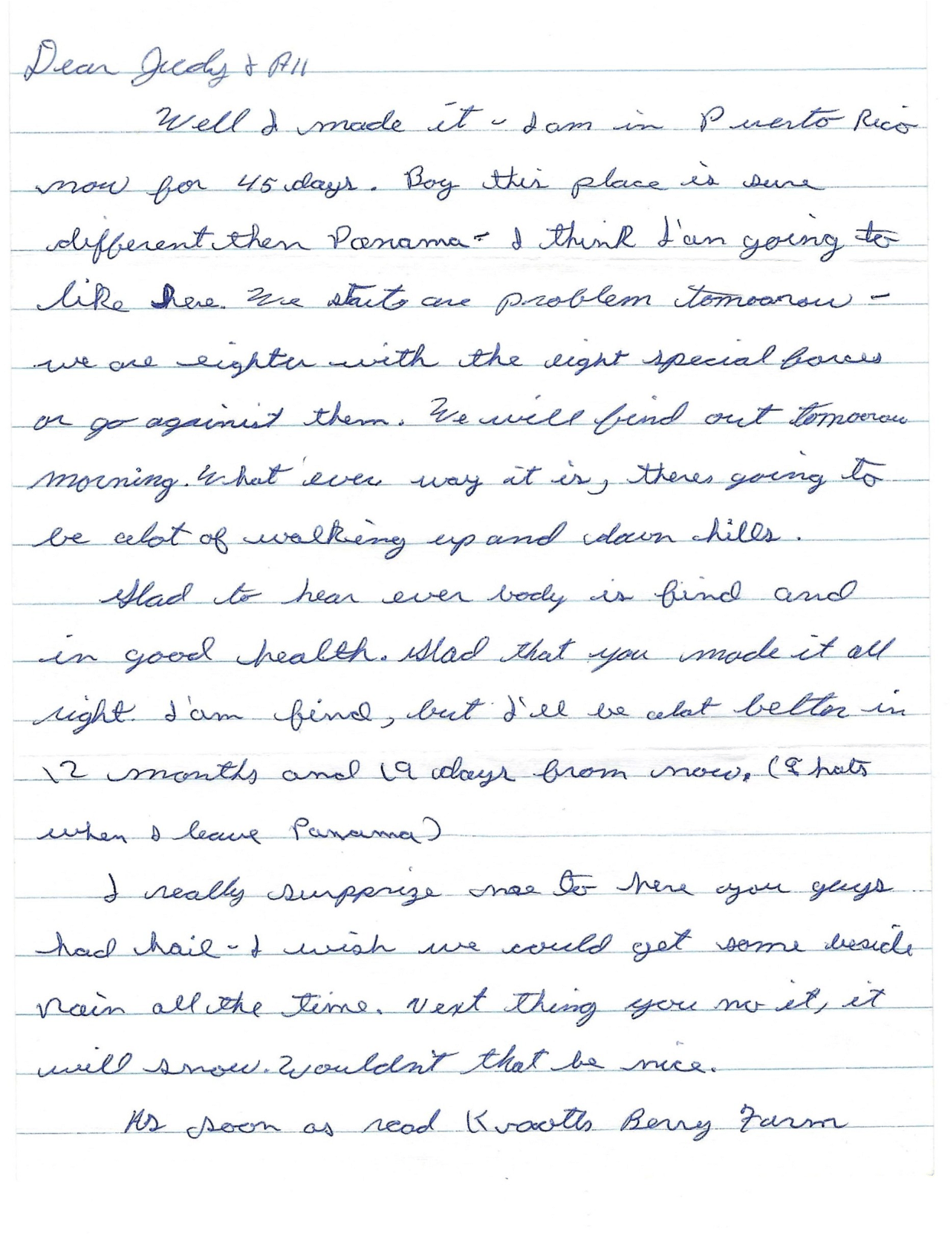
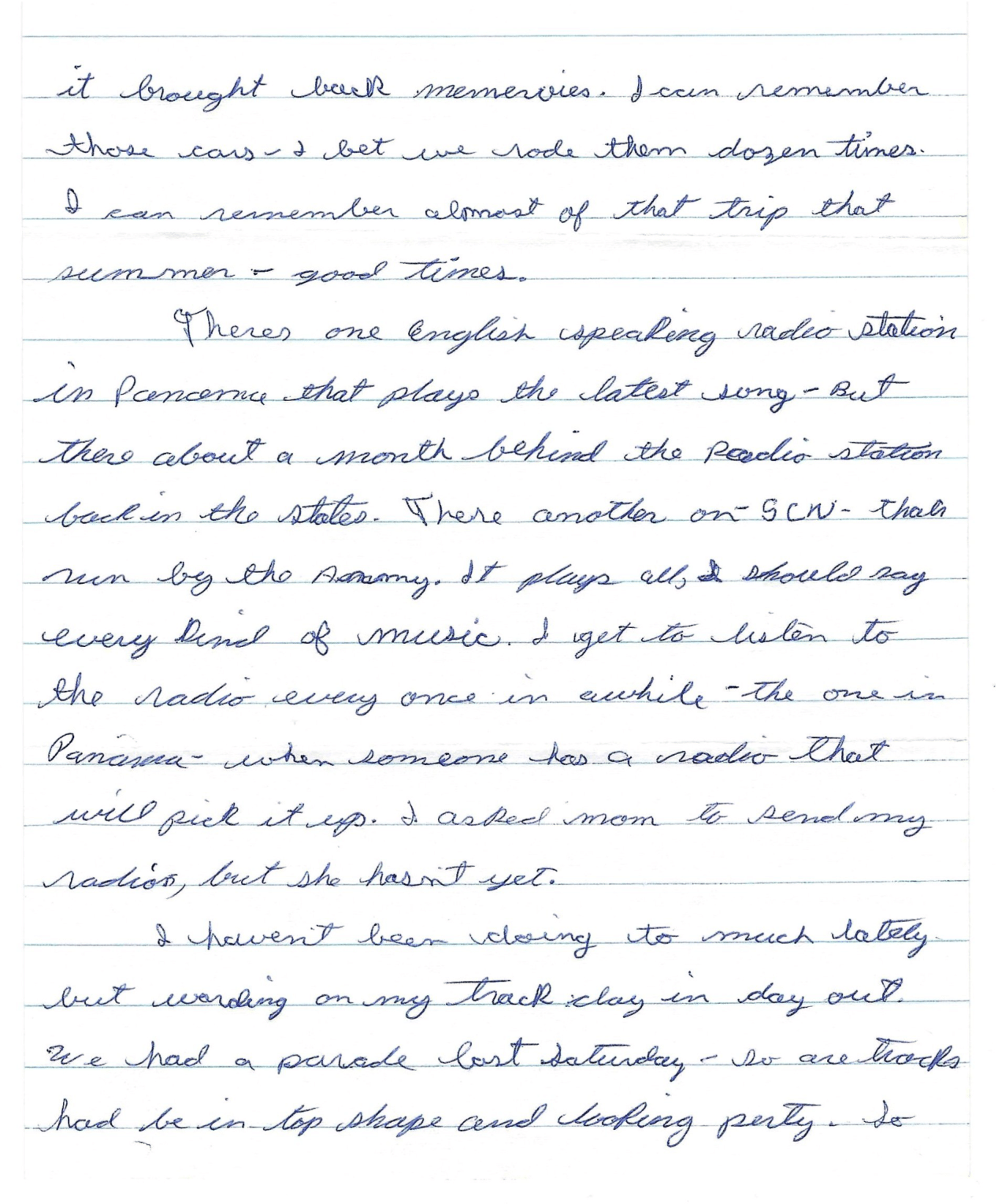
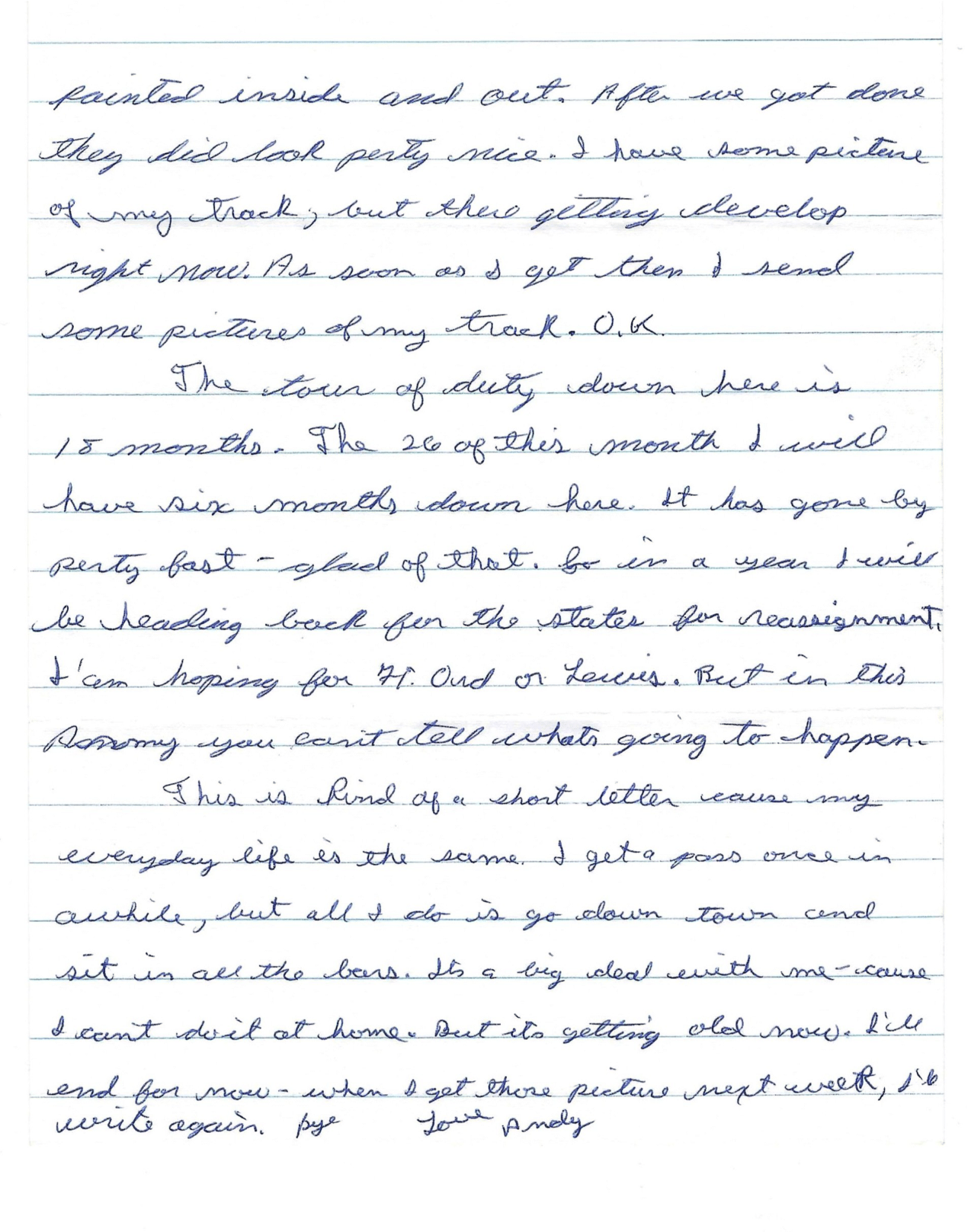
This letter was written by Andy to his sister Judy Bornstein while he was in Puerto Rico on his way to Vietnam.

Stuhr kids with Uncle Andy Bornstein in his driveway at 700 Forest Street, Bellingham WA
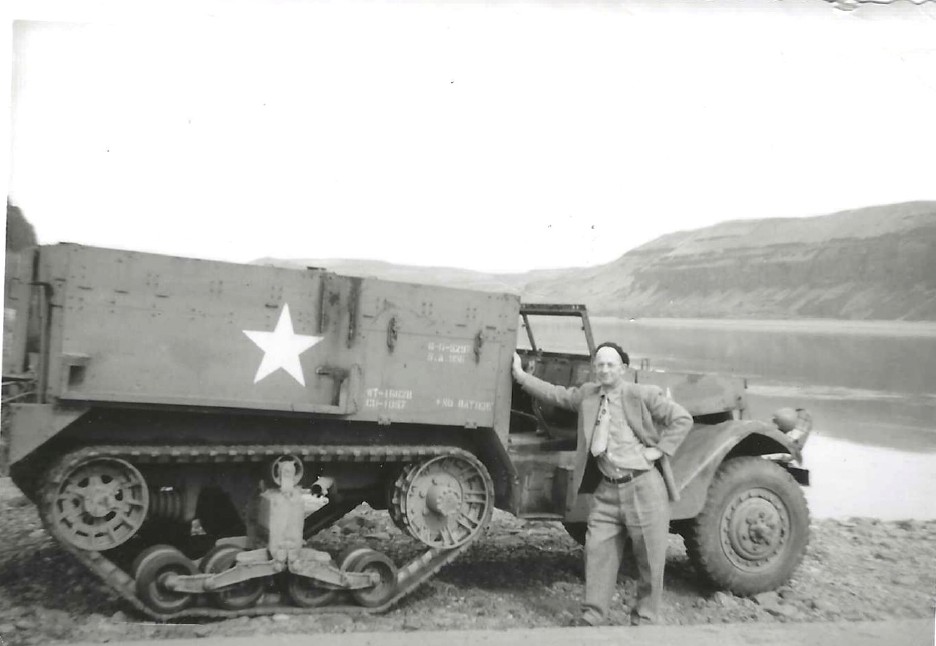

His first job is as a Floor Lead part of a transition team with Russ Melhart.

The first time Meyer and Teresa kids, aka the Bornstein siblings, rode on a train:
- Joanne – Unknown
- Janice – 1960’s at Christmas time. She was in her 30s with six kids
- Myrna – Does not recall riding a train
- Judy – Late 1990s. Took Amtrak train from California to attend Colin Bornstein and Gina Glenovich’s wedding in Bellingham.
- Jay – Unknown
- Andy – Unknown
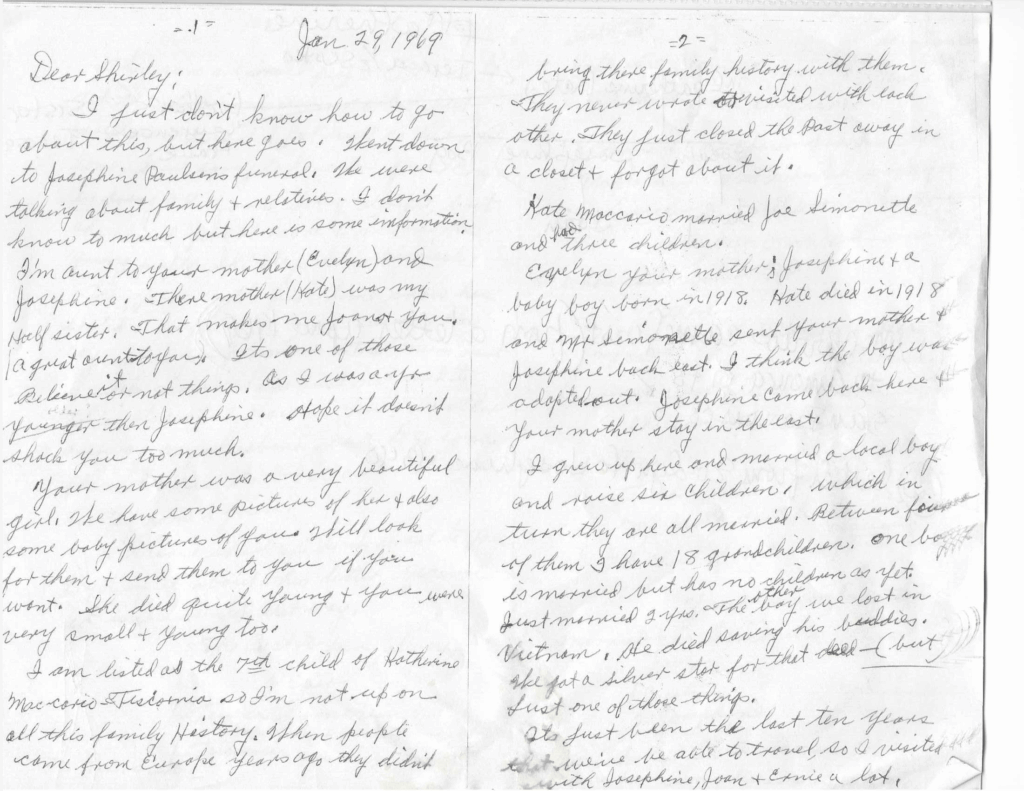
He is the second of three sons to John & Paula Tiscornia. Tim marries Jane (Warkenton) Tiscornia and together they will have 3 daughters; Katerina, Hannah, and Lucy.
California adopted the first modern no-fault divorce law, making it possible to end a marriage without proving adultery, abuse, or other fault. That lowered a major legal barrier for women seeking divorce.

In Phillips v. Martin Marietta, the Supreme Court ruled that employers could not refuse to hire women with preschool-age children while hiring men with children. It was an early landmark against sex-based hiring double standards.
In Eisenstadt v. Baird, the Supreme Court extended contraception rights to unmarried people, not just married couples. This was a major step toward women having more independent control over family planning.
The Equal Credit Opportunity Act barred lenders from discriminating based on sex or marital status. In practice, it helped women get mortgages, loans, and credit cards without needing a husband or male co-signer.
Teresa Bornstein was 64 years old when it was legally determined ok for women to have a credit card in her own name.

Kurtz, Key and Rodriguez cousins take over Disneyland for the day!
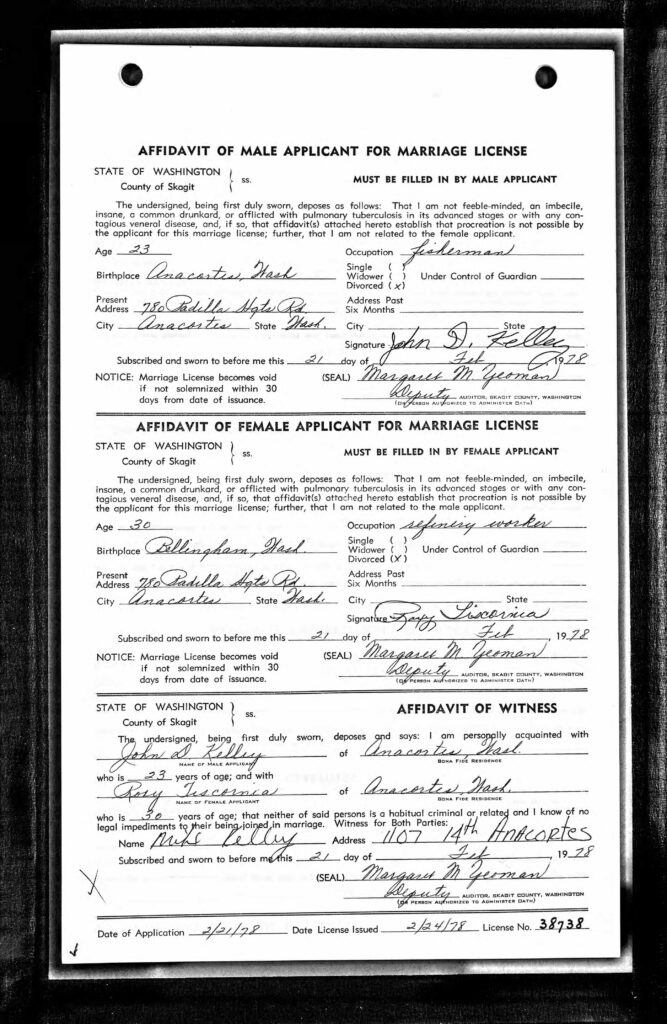
Jay represents the Westcoast industry in Washington D.C. for the purpose of creating a national seafood policy. This is the precursor to establishing a 200-mile economic zone.
The Pregnancy Discrimination Act made pregnancy discrimination a form of illegal sex discrimination in employment. Employers could no longer lawfully push women out of jobs or deny benefits simply because they were pregnant.


Rhonda Rodriguez and Marc Rodriguez (Judy Bornstein-Rodriguez Family)
The Women’s Business Ownership Act expanded women’s economic independence by removing remaining barriers in business lending and support. It helped end rules that required some women to have a male relative co-sign business loans.
The Violence Against Women Act was the first major federal law focused on domestic violence, sexual assault, and stalking. It strengthened legal protections and expanded support services for survivors.
Known for processing various cold-water species, they were involved in producing the first certified sustainable shrimp fishery (Oregon Cold Water/Pink Shrimp) by the Marine Stewardship Council.
It was recognized as a well-managed fishery using innovative gear to reduce bycatch.
Bornstein Seafood passes from Myer “Jay” Bornstein to his 3 sons, Kyle, Colin and Andrew Bornstein.


Kyle and Cassandra get married on Cinco de Mayo on the north end of Cypress island where they caught their first fish together.

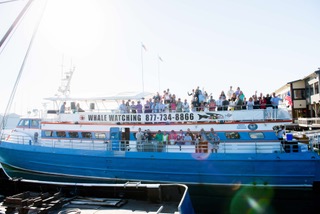

Check out the video of the interview here.


Key siblings from left to right:
Taylor, Sydney, Major, Ashlyn

Mr. Dane and Mrs. Jurnie Thurston!

Best friends, Dane and Jurnie said “I do” in an intimiate wedding ceremony at Woodstock Farm in Bellingham, WA